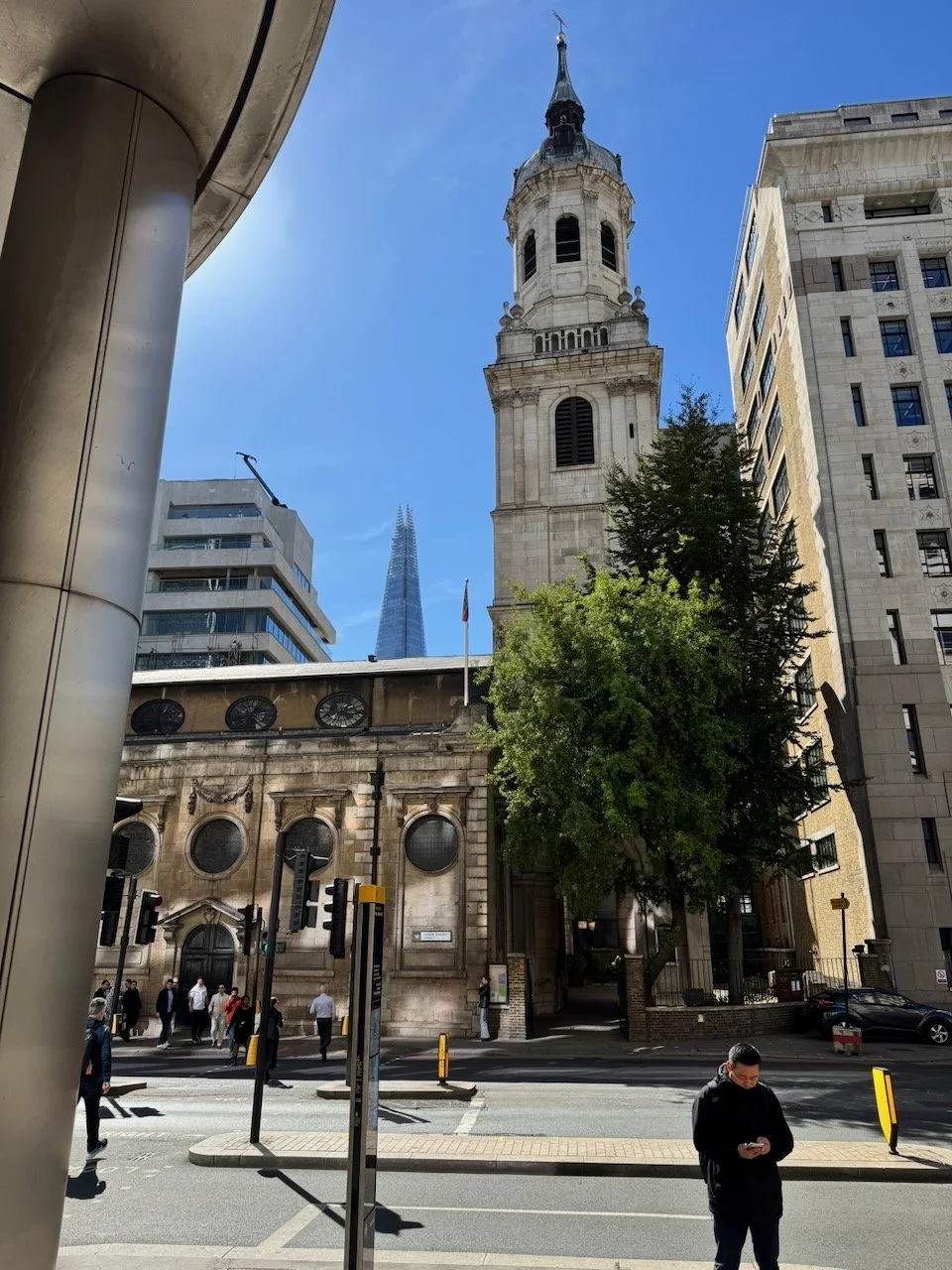
Day 6, our final day in London. 😢 We returned to Church of St Magnus-the-Martyr to see the model of London’s medieval bridge. The archway is under the tree & the old main roadway was to the right.
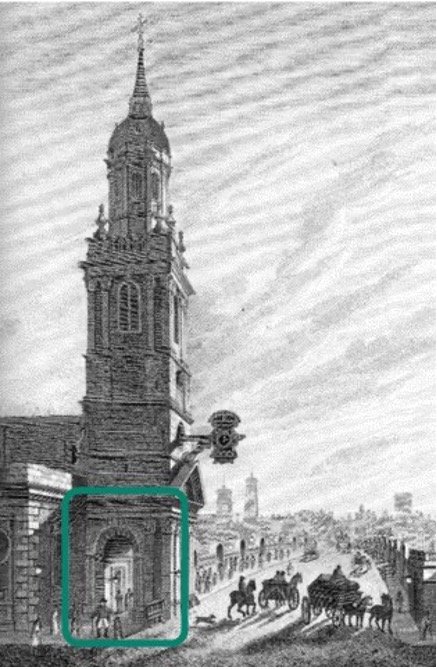
To improve flow, buildings were eventually removed from the bridge. From 1763 until the demise of the old bridge in 1831, this archway was the main pedestrian entrance onto the bridge. Millions of people must have walked through it.
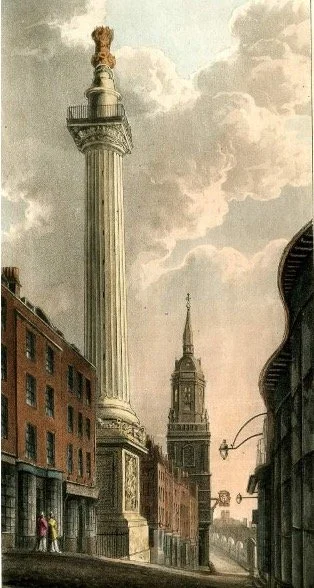
View from The Monument to the Great Fire of 1666 looking toward the church & bridge.
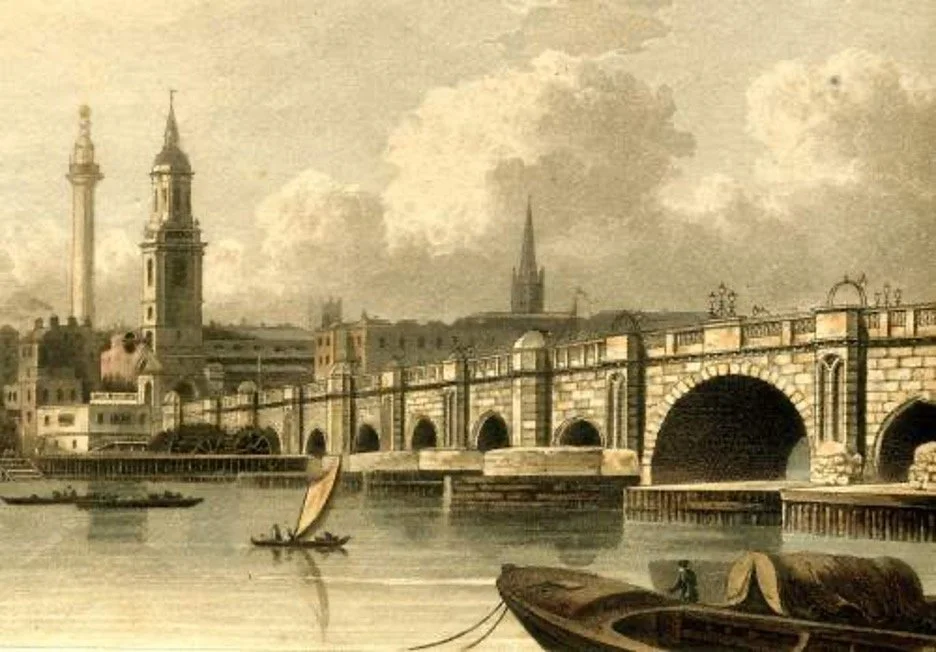
(Looking the opposite direction.) The new bridge opened in 1831 & the old bridge was demolished over the next two years. This bridge was dismantled in 1972, shipped to Lake Havasu & replaced with the current structure.
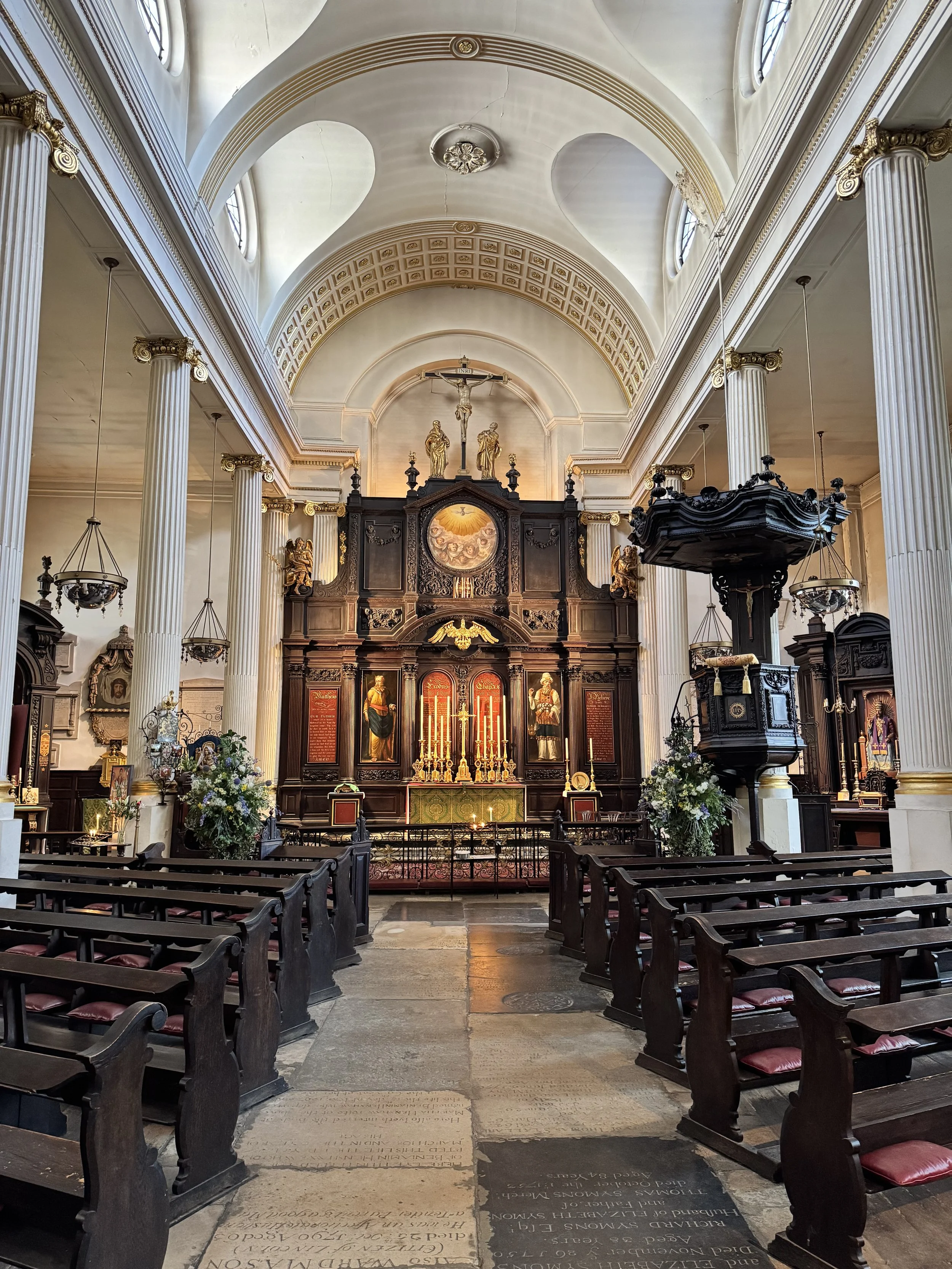
T S Eliot wrote that, “the walls of Magnus Martyr hold inexplicable splendour of Ionian white & gold” & held that “the interior of St. Magnus Martyr is to my mind one of the finest among Wren’s interiors.”
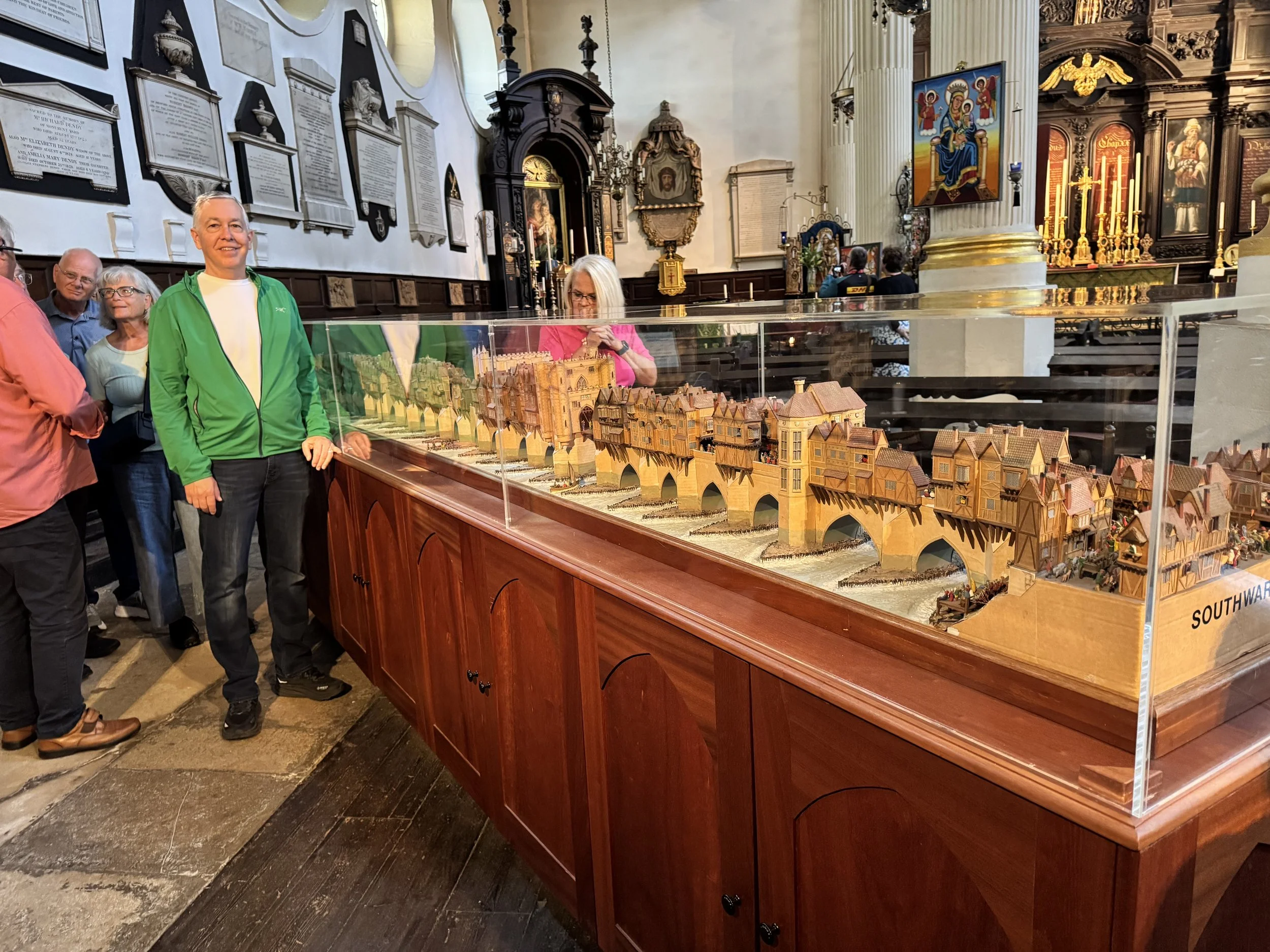
The remarkable model of medieval Old London Bridge inside St Magnus-the-Martyr vividly recreates the crowded medieval bridge, complete with its houses, shops, gates, & fortified towers. We’ve long harbored the fanciful dream of stepping through time to wander this bridge & Edinburgh’s Royal Mile in medieval days.
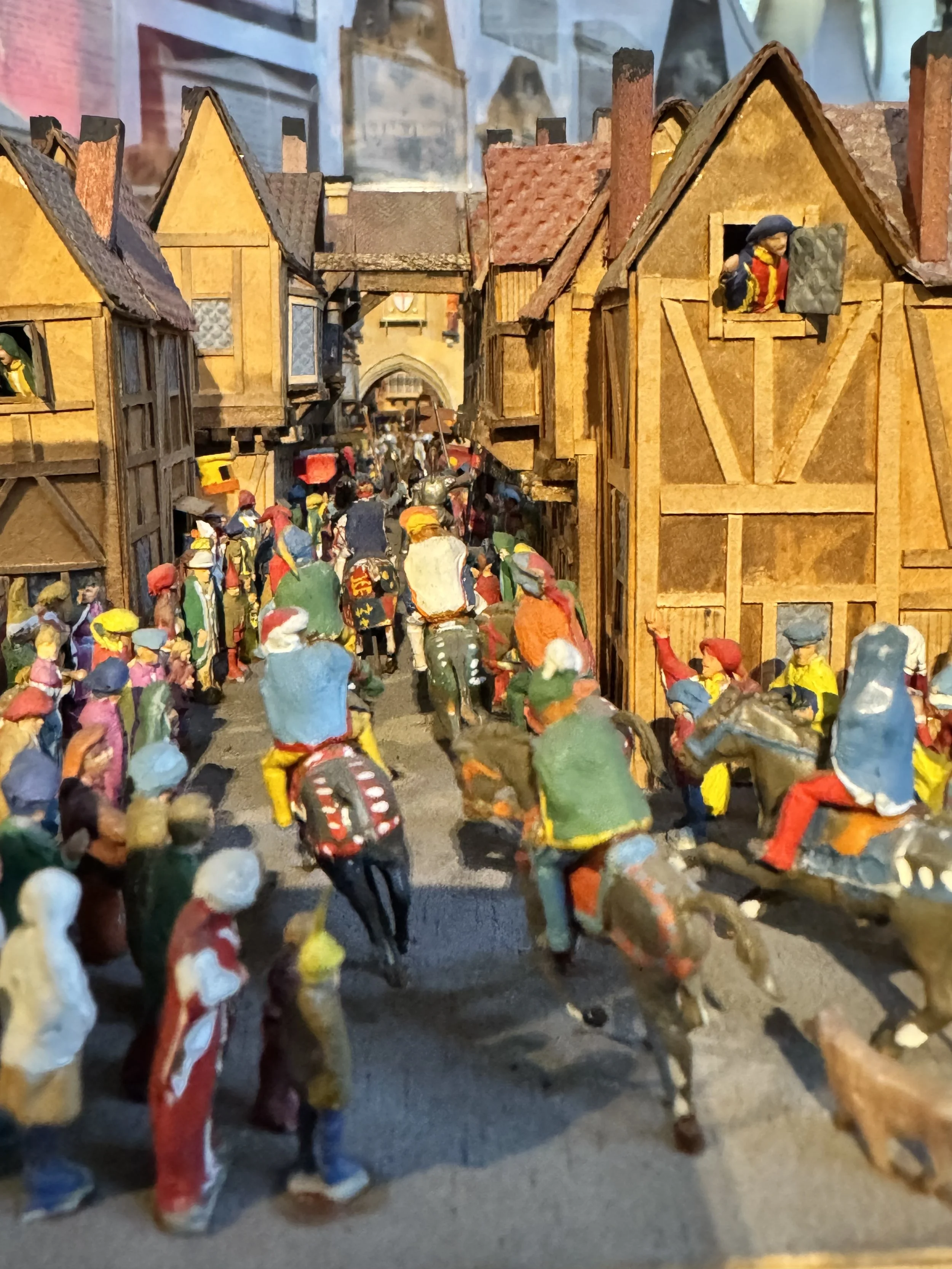
The model was created in 1987 by David T. Aggett, a Metropolitan Police officer & liveryman of the Worshipful Company of Plumbers; he spent nearly three years building the 13-foot-long model, which depicts the bridge as it appeared around 1400.
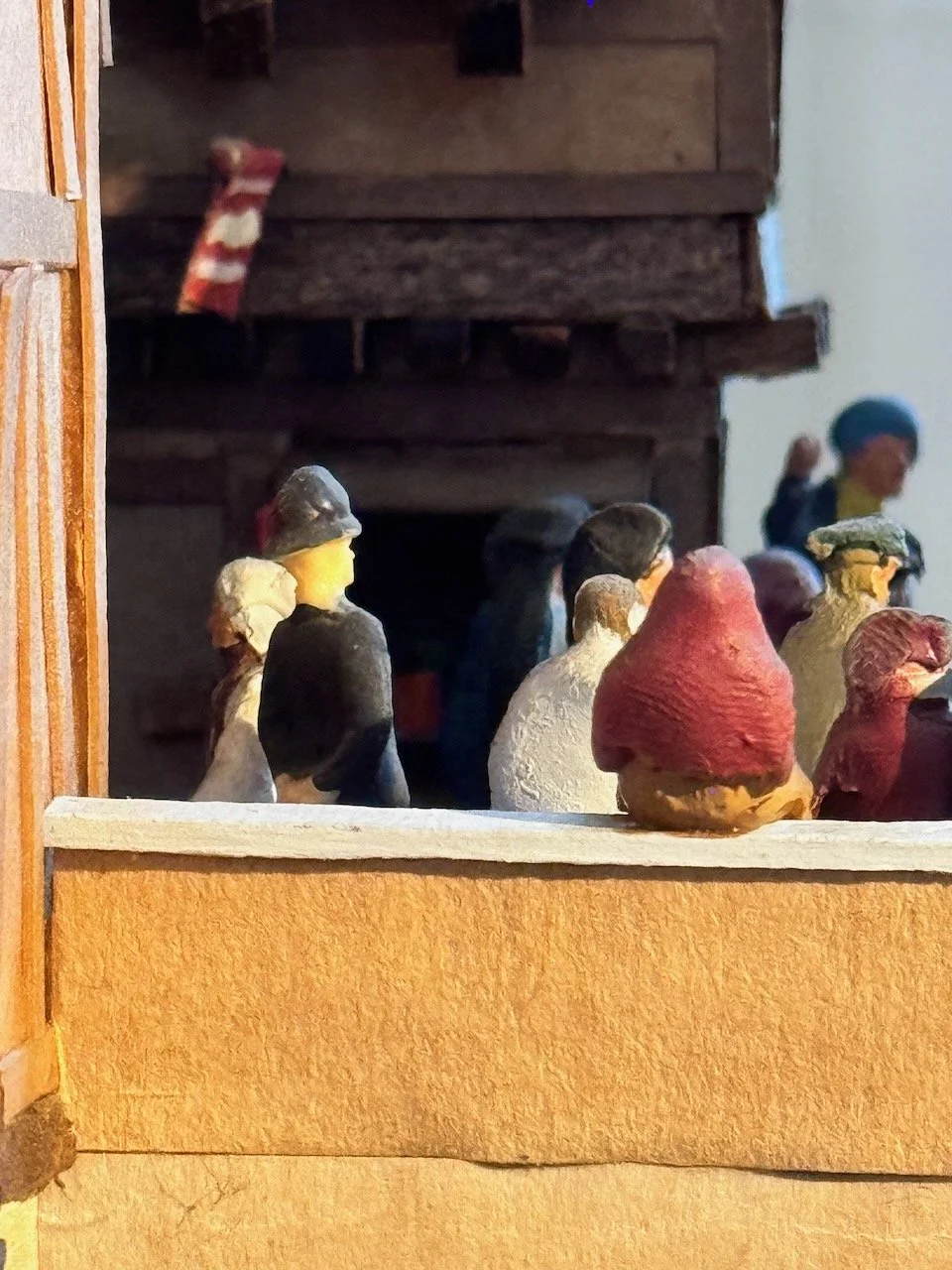
A particularly charming detail is the tiny policeman on the bridge.
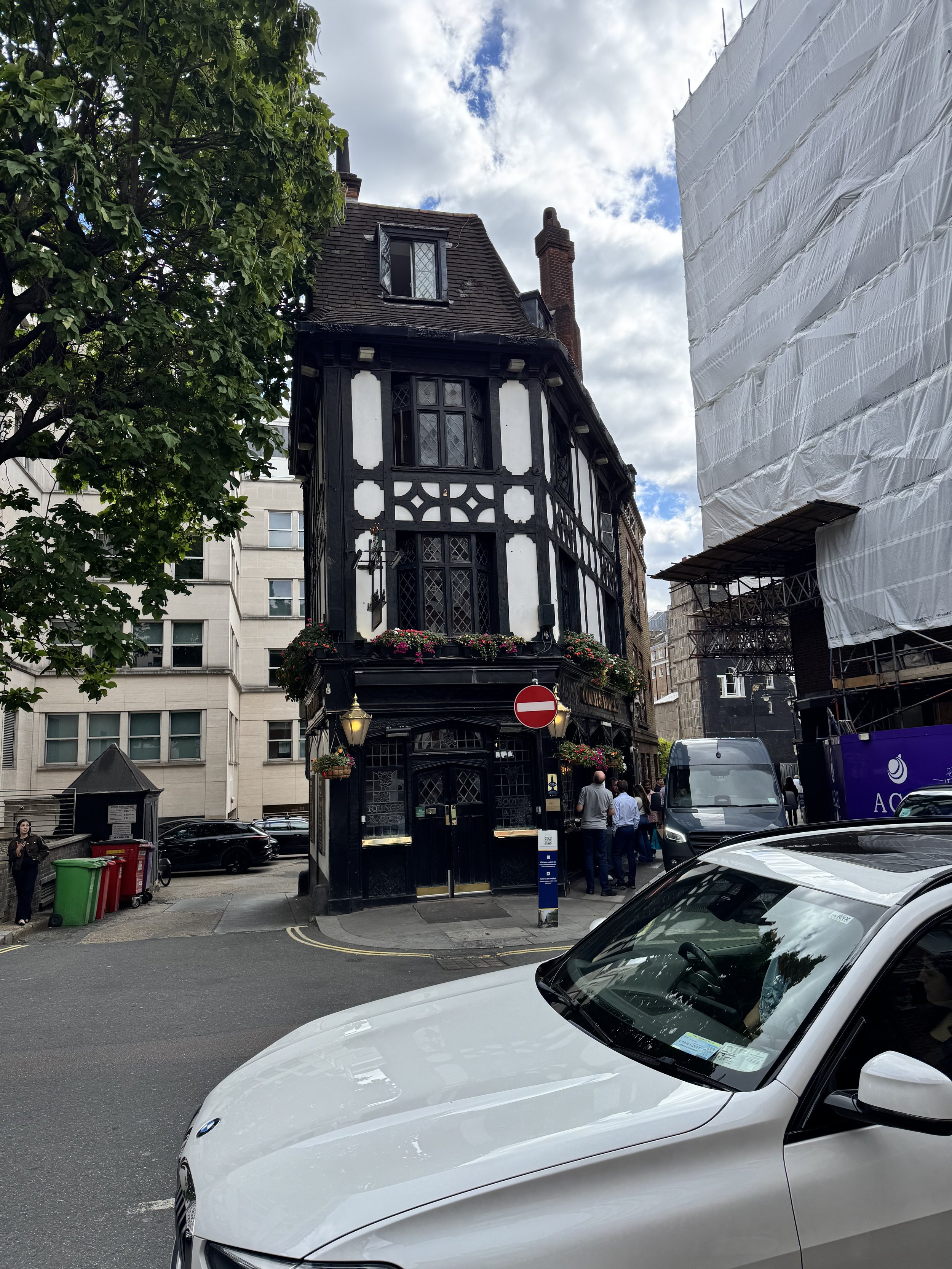
Sitting on a sharp corner in Mayfair & decked in a timbered façade, leaded stained glass windows, & intricately carved woodwork, the Coach & Horses is a time capsule hidden amongst its modern neighbors.
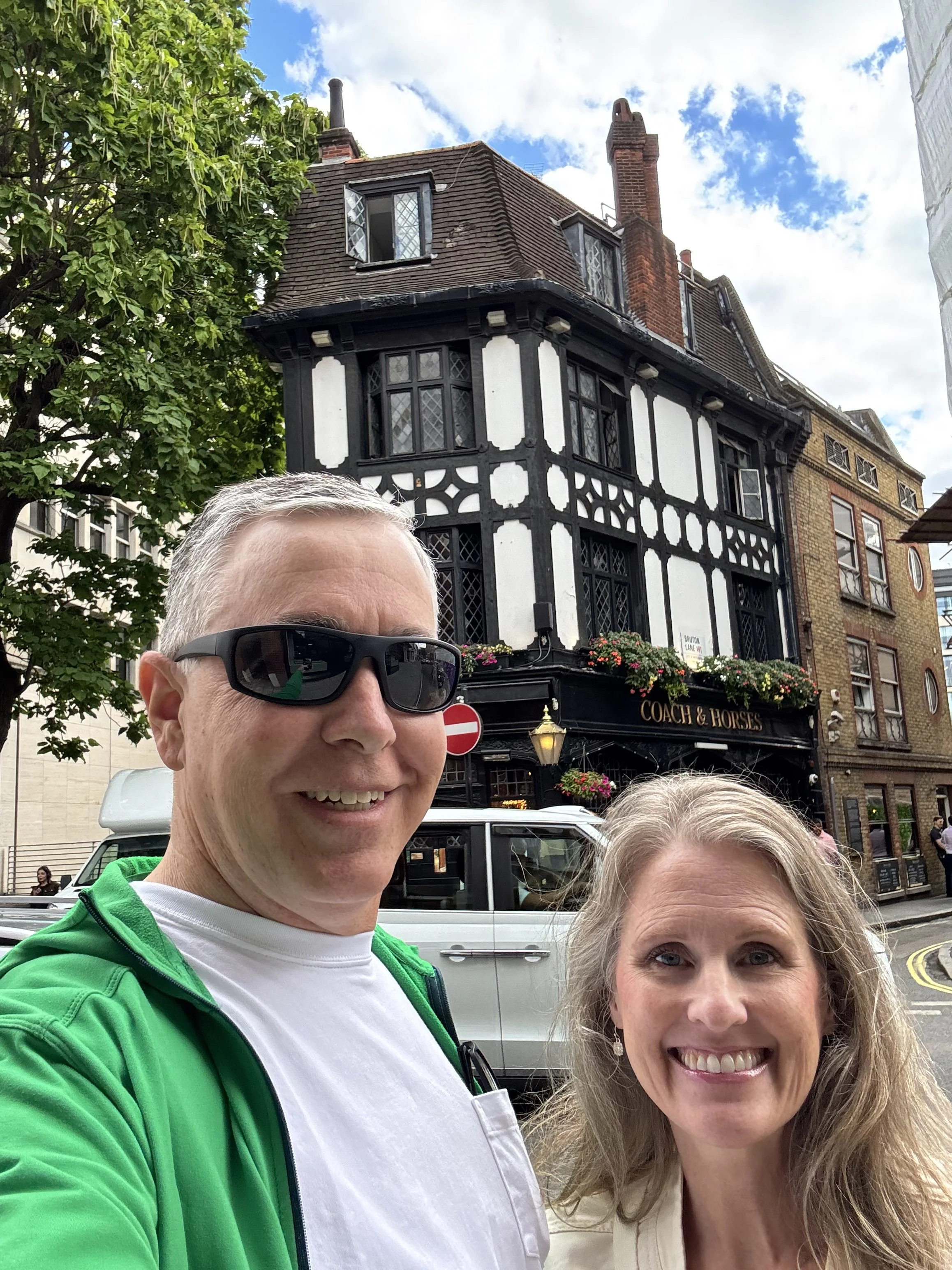
A coaching inn has been on this site since the 1730s. What a building! Its unique shape adds greatly to its character. The late Queen Elizabeth II was born just down the street.
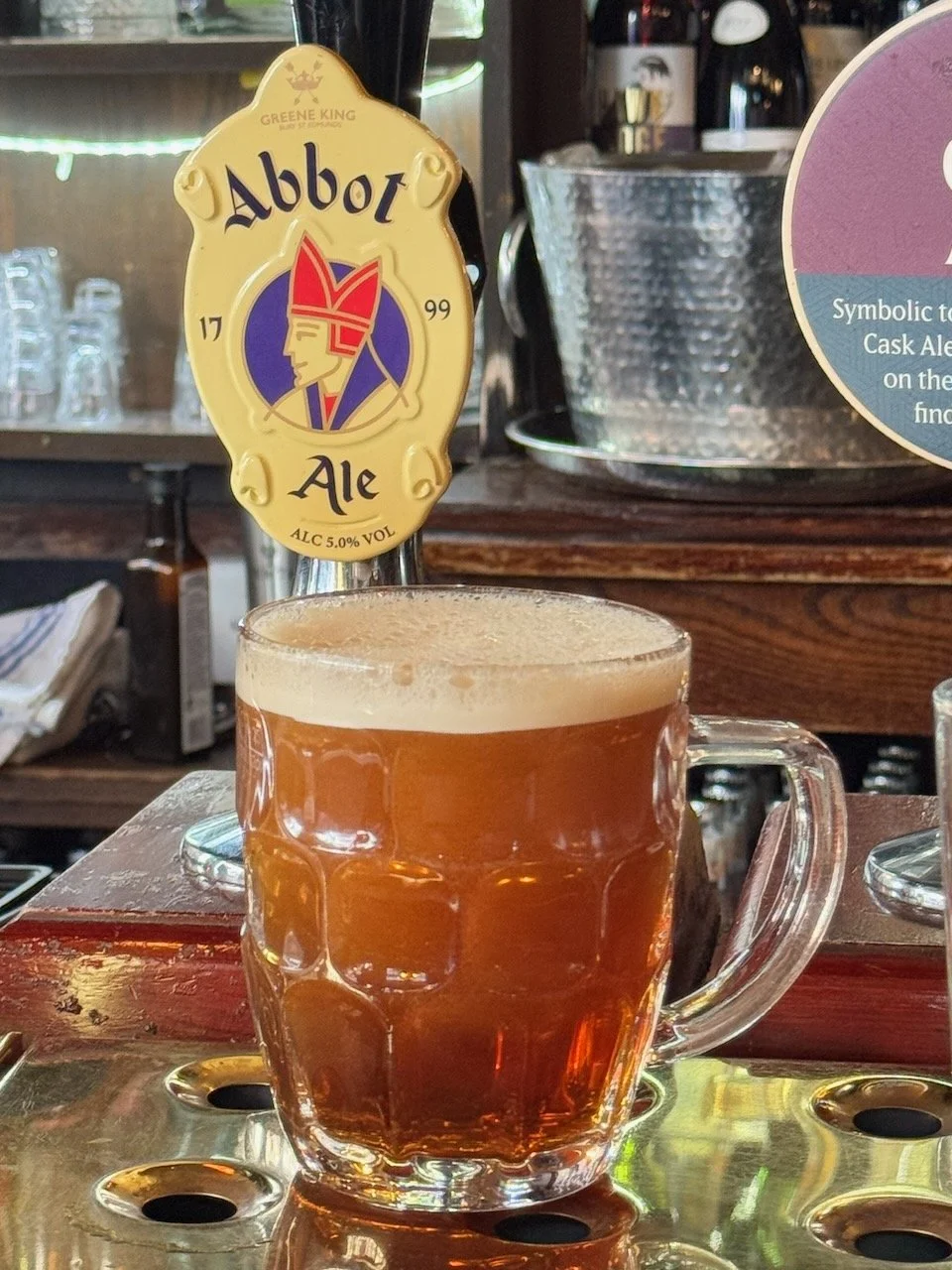
A proper pint of real ale!
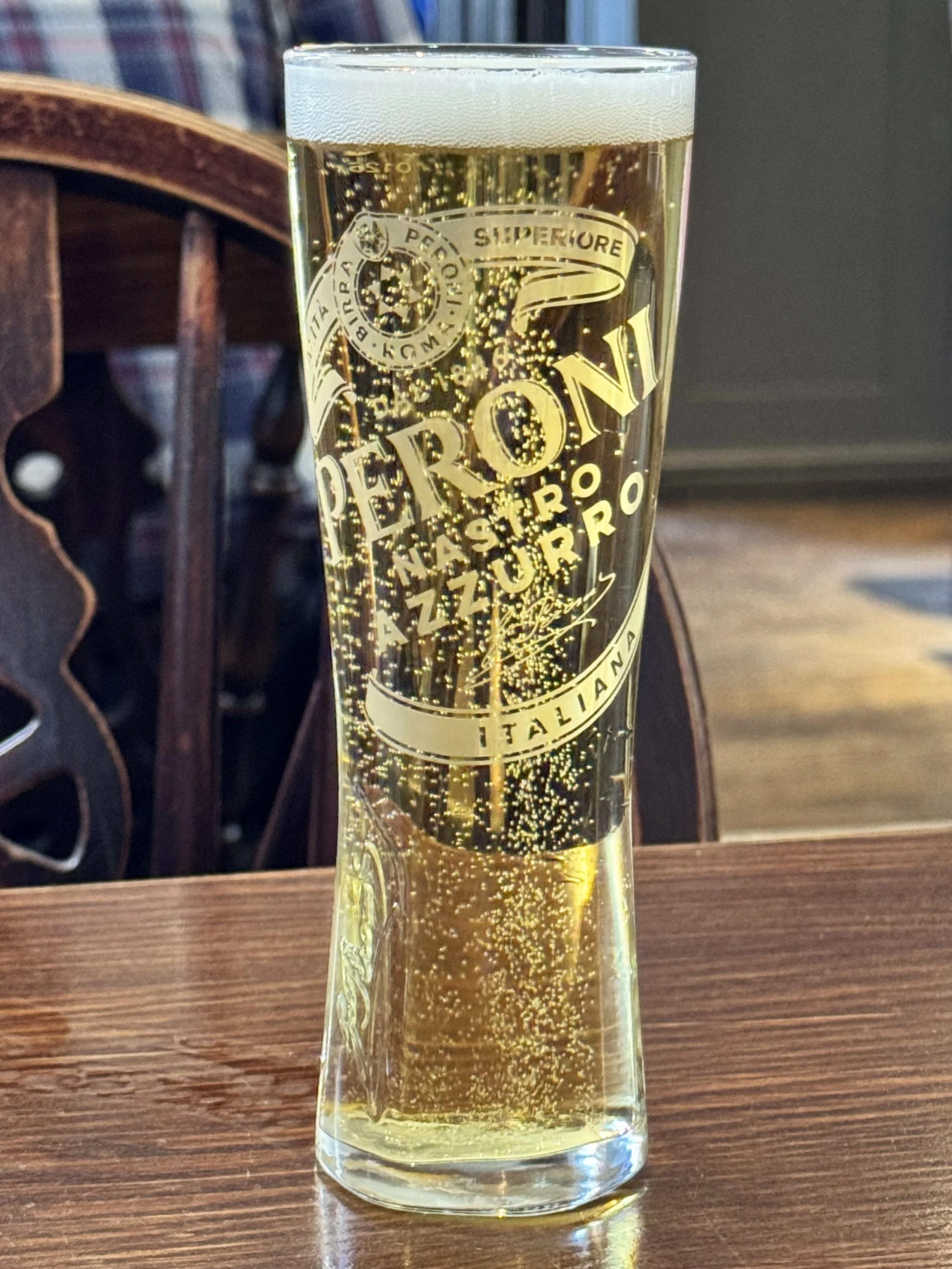
Amanda’s half pint, apropos of Laura Ingalls.
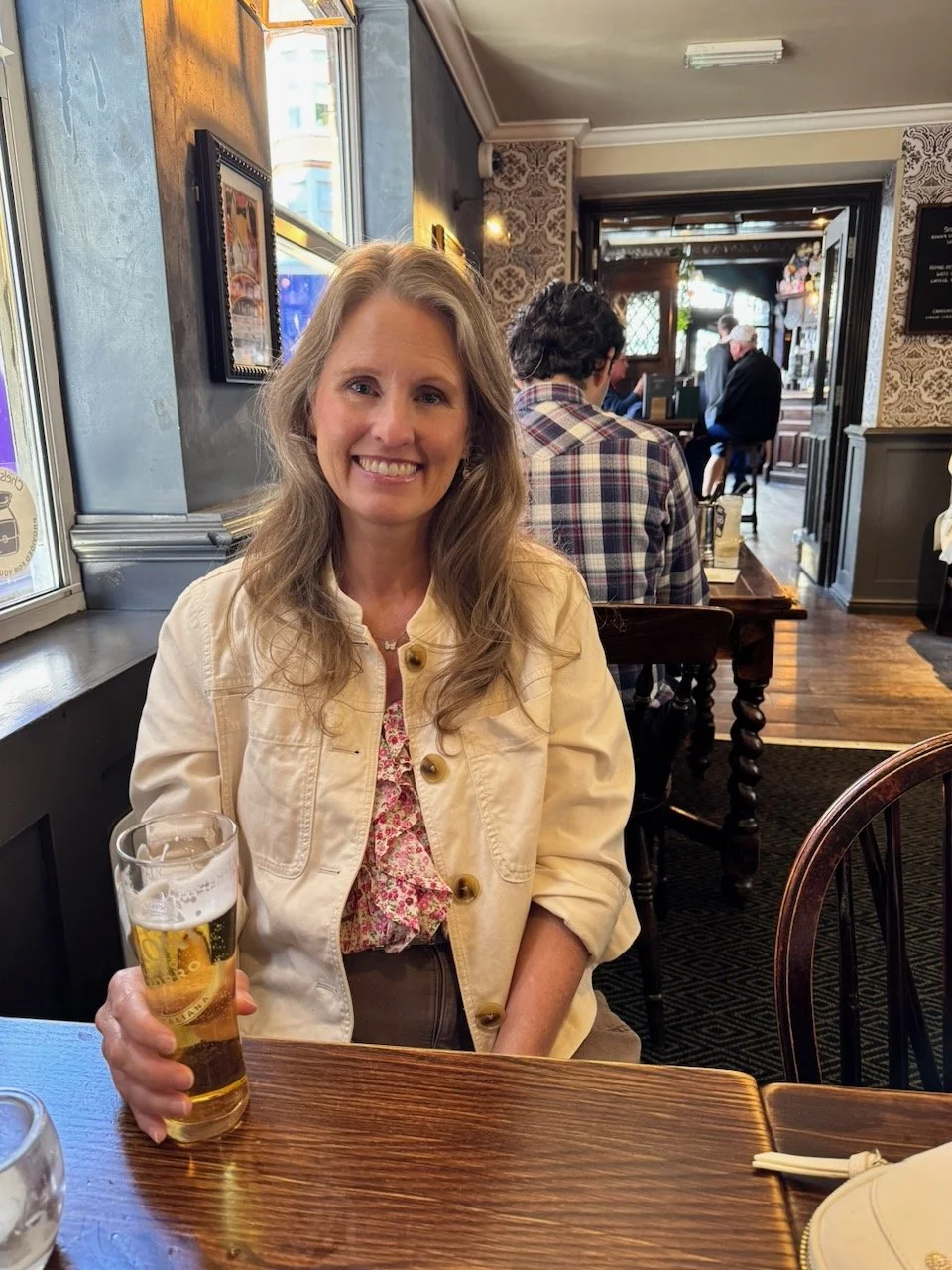
Immersing ourselves in the old world charm.
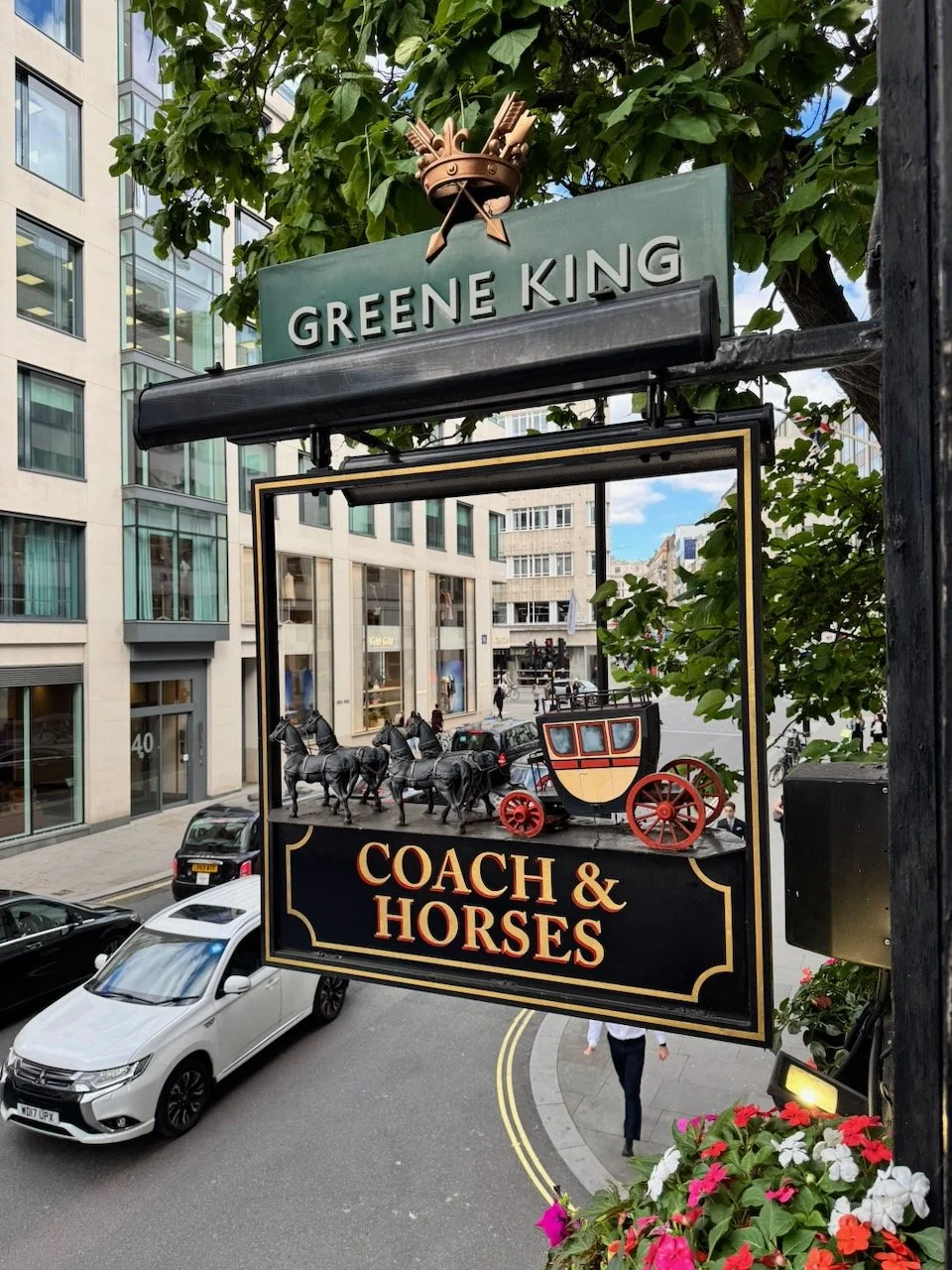
I’ve always loved that the pubs invest so much effort into their signage.
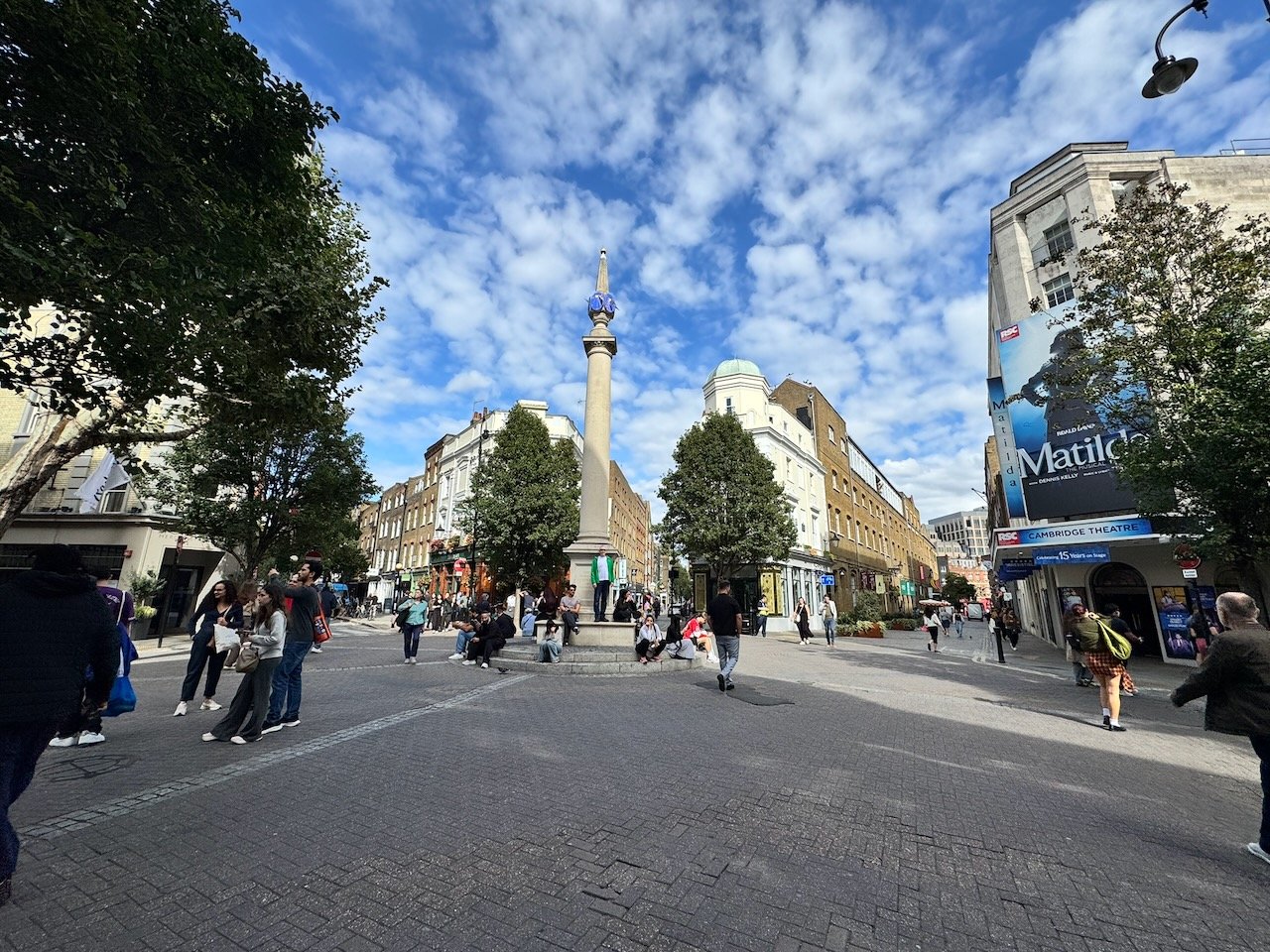
Seven Dials is a road junction & neighborhood that retains its 17th-century street-plan. In 1694, a large sundial column was erected at the center of the circle where the roads converge. Ingeniously designed, it featured six faces, with the column itself serving as the gnomon—the shadow-casting element—for a seventh dial.
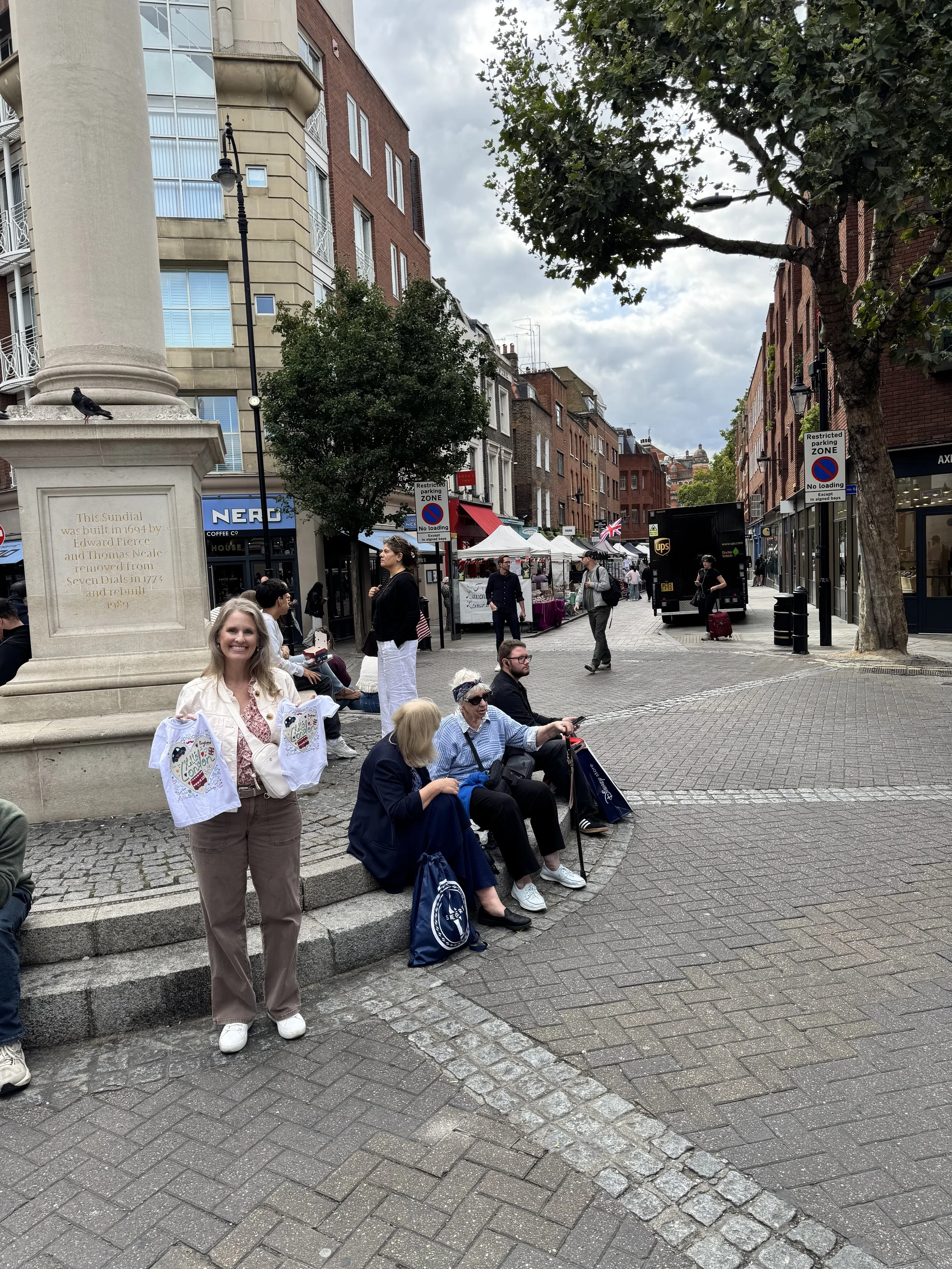
Charles Dickens wrote about the area & Agatha Christie chose it as the setting for her 1929 novel The Seven Dials Mystery. We’ll remember it for the cute shirts we bought there for our lovely granddaughters!
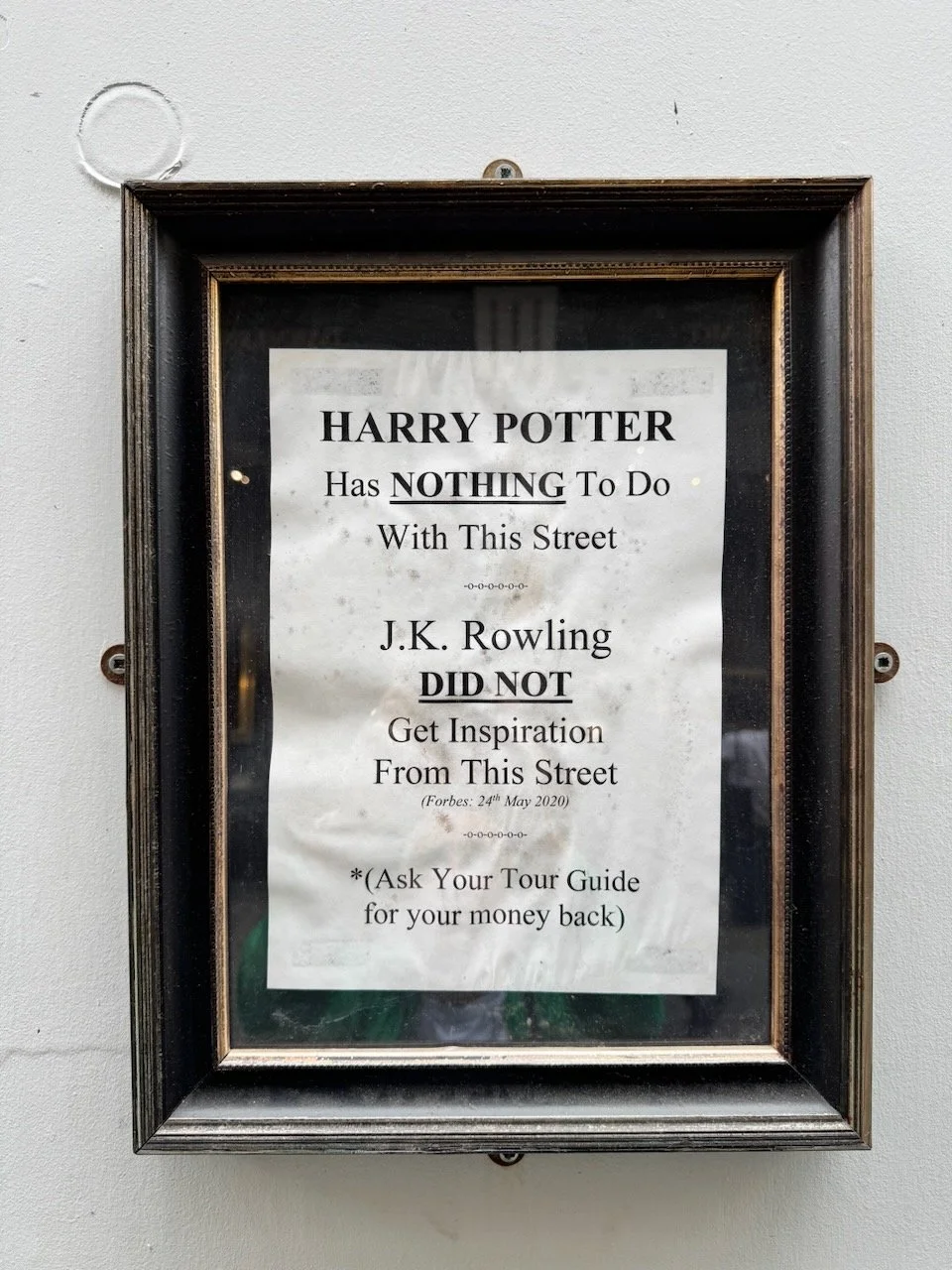
Hilarious sign on Cecil Court.
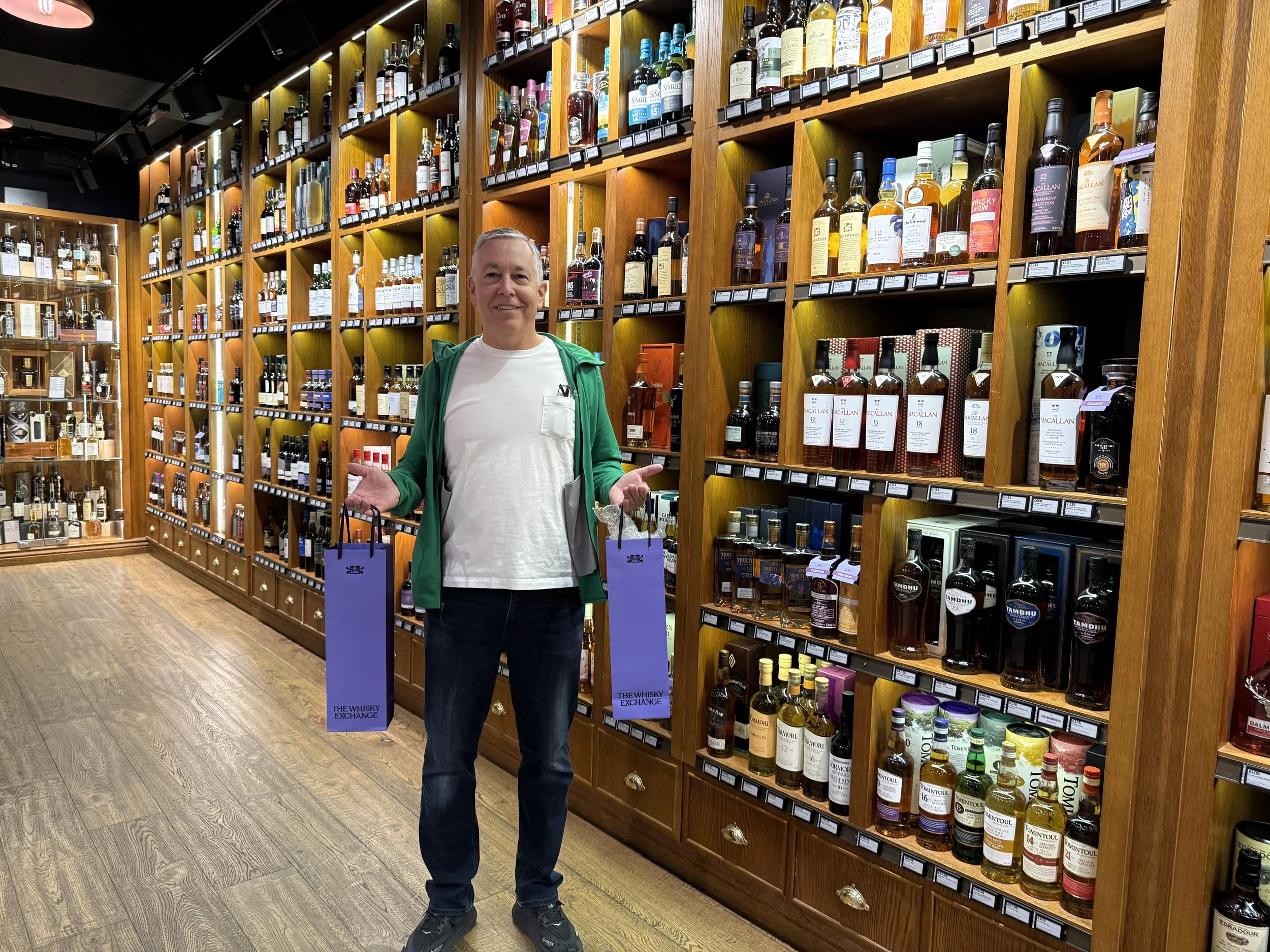
We miraculously found a bottle of Sprinkbank 15 & also a bottle of Jameson Crested.
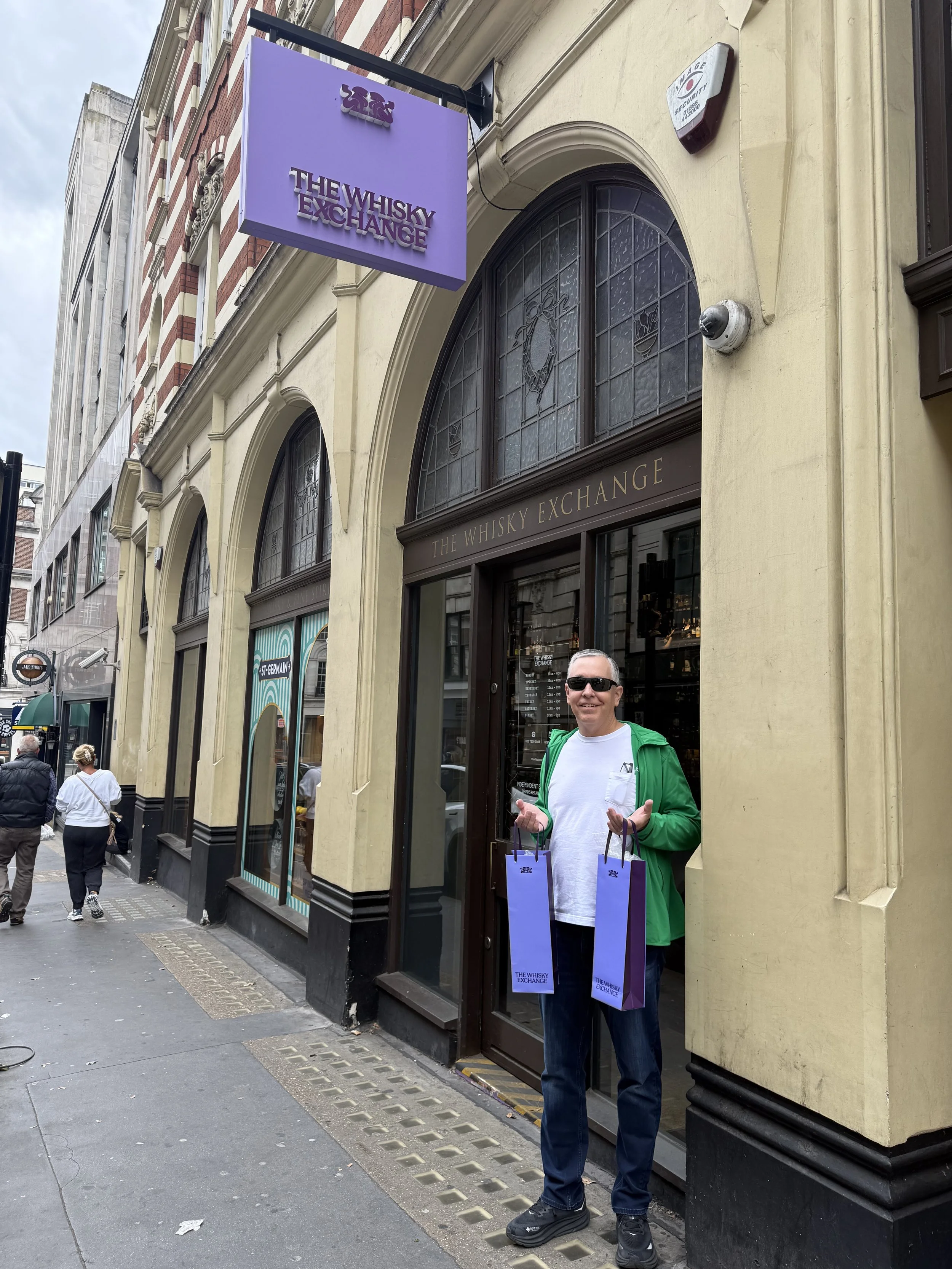
Time for a wee dram 🥃
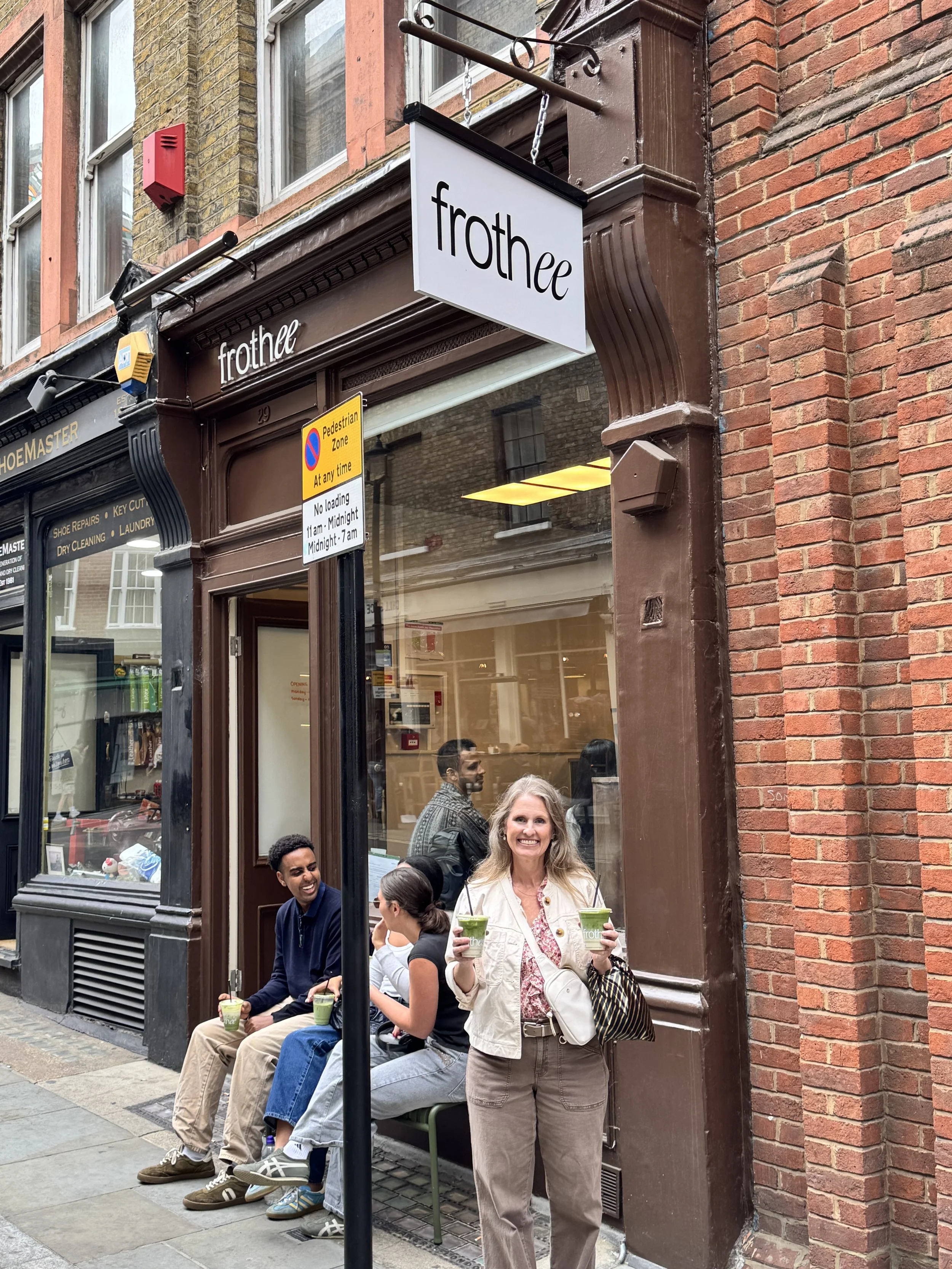
Gotta loves those matchas!
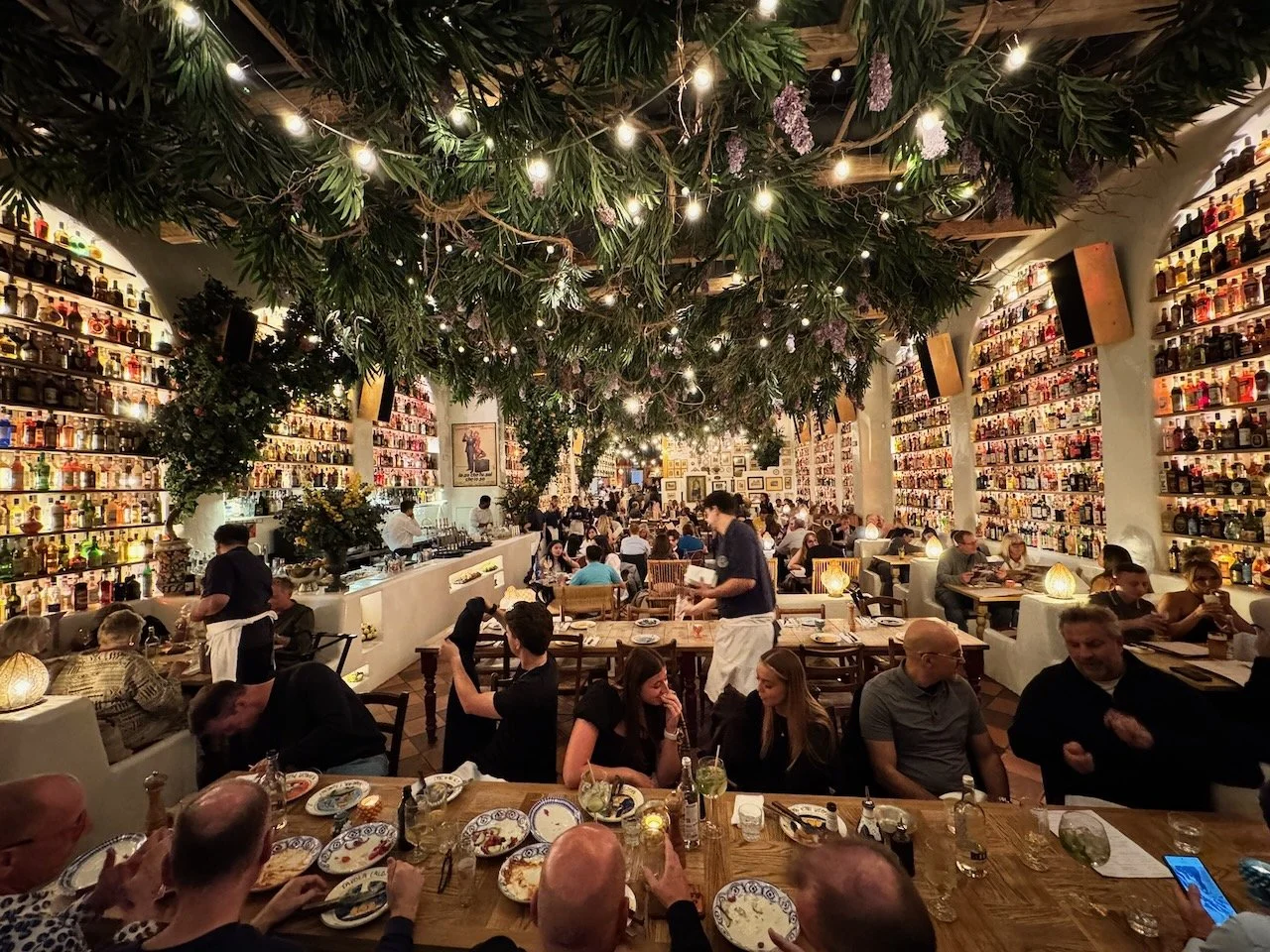
We ate a lovely dinner here between the two acts of Harry Potter & the Cursed Child in April 2025, so it seemed fitting to return for dinner before seeing Six.
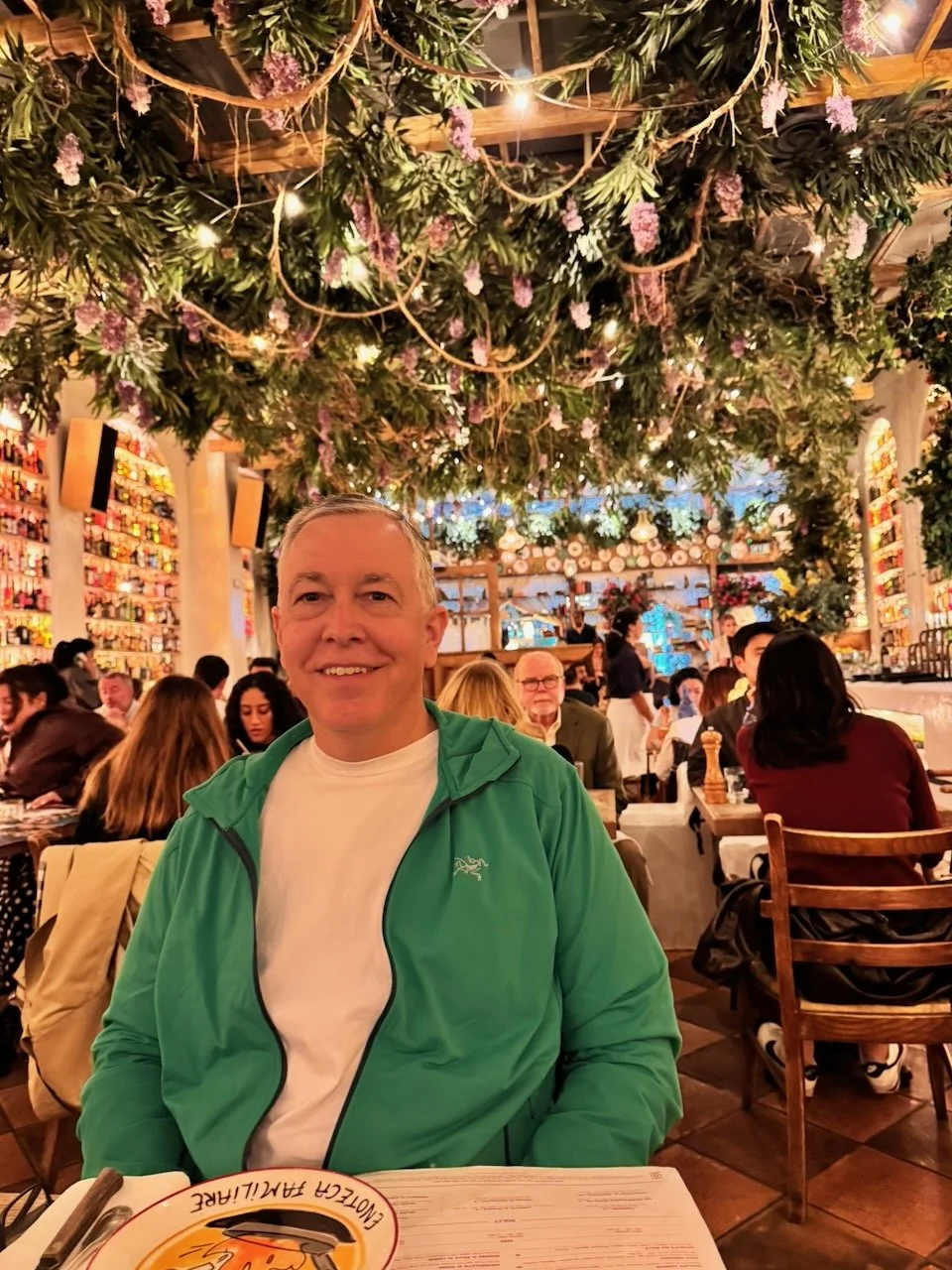
Inside, Circolo Popolare is a riot of Sicilian exuberance—20,000 bottles glowing from floor-to-ceiling shelves, cascades of greenery overhead, twinkling lights, & richly layered décor creating the feel of a magical Mediterranean garden.
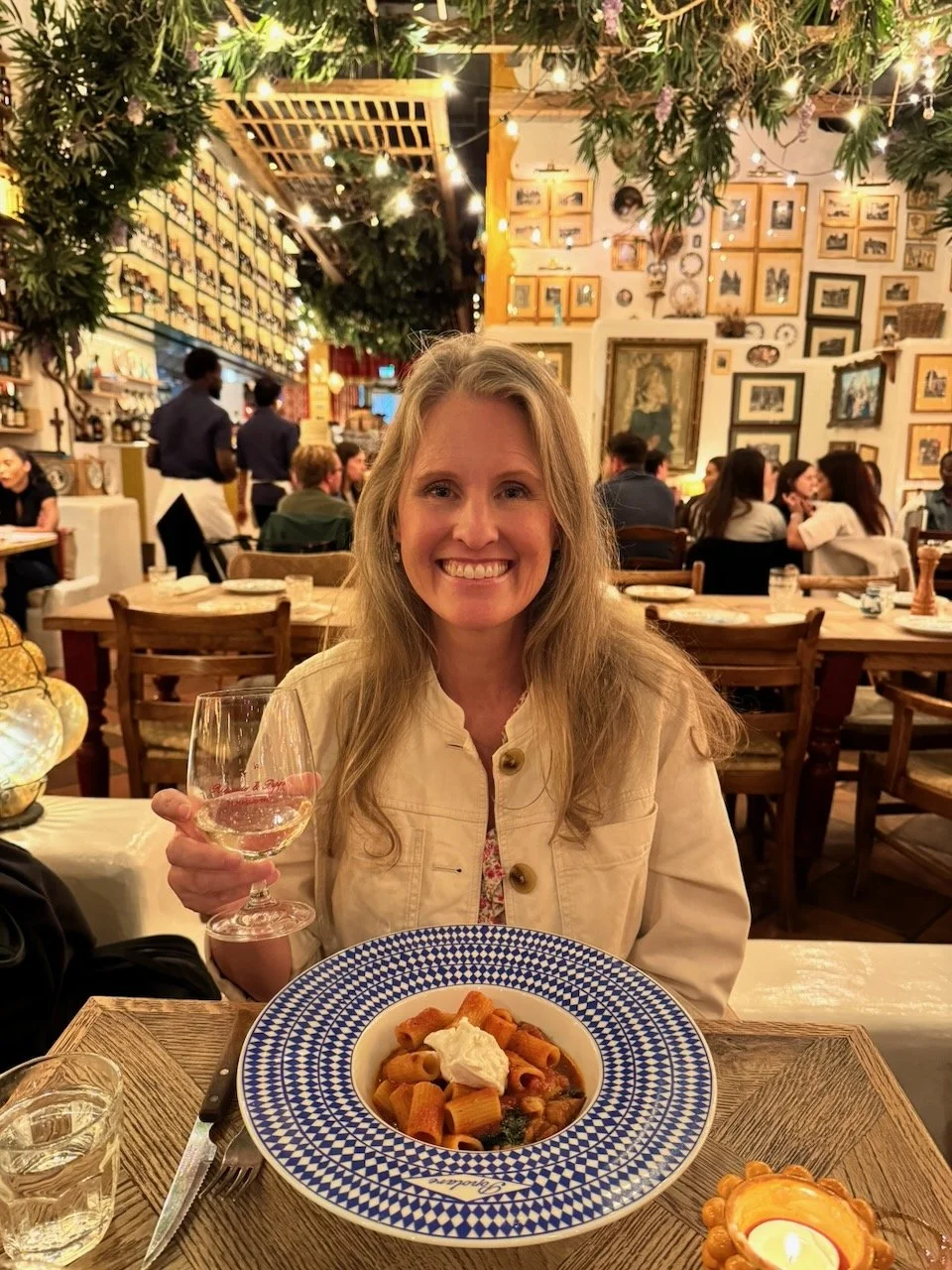
Such a fun place to enjoy dinner!
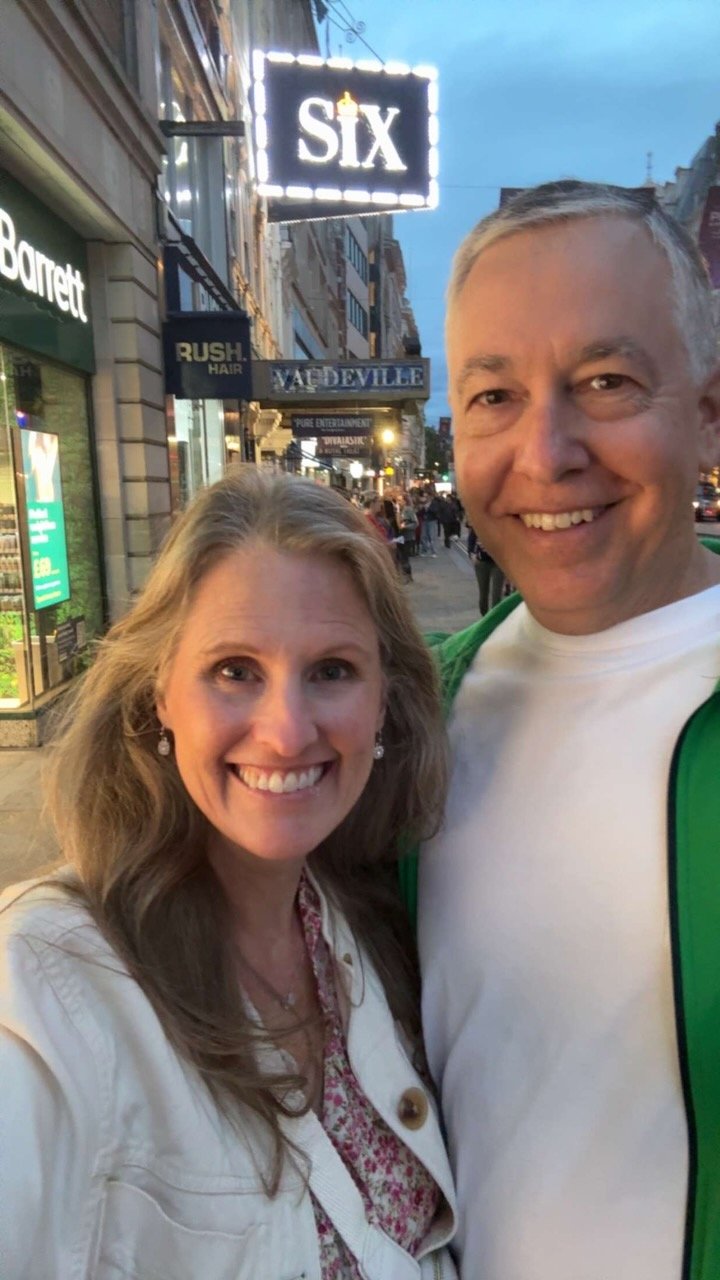
The signage for Six outside the Vaudeville Theatre.
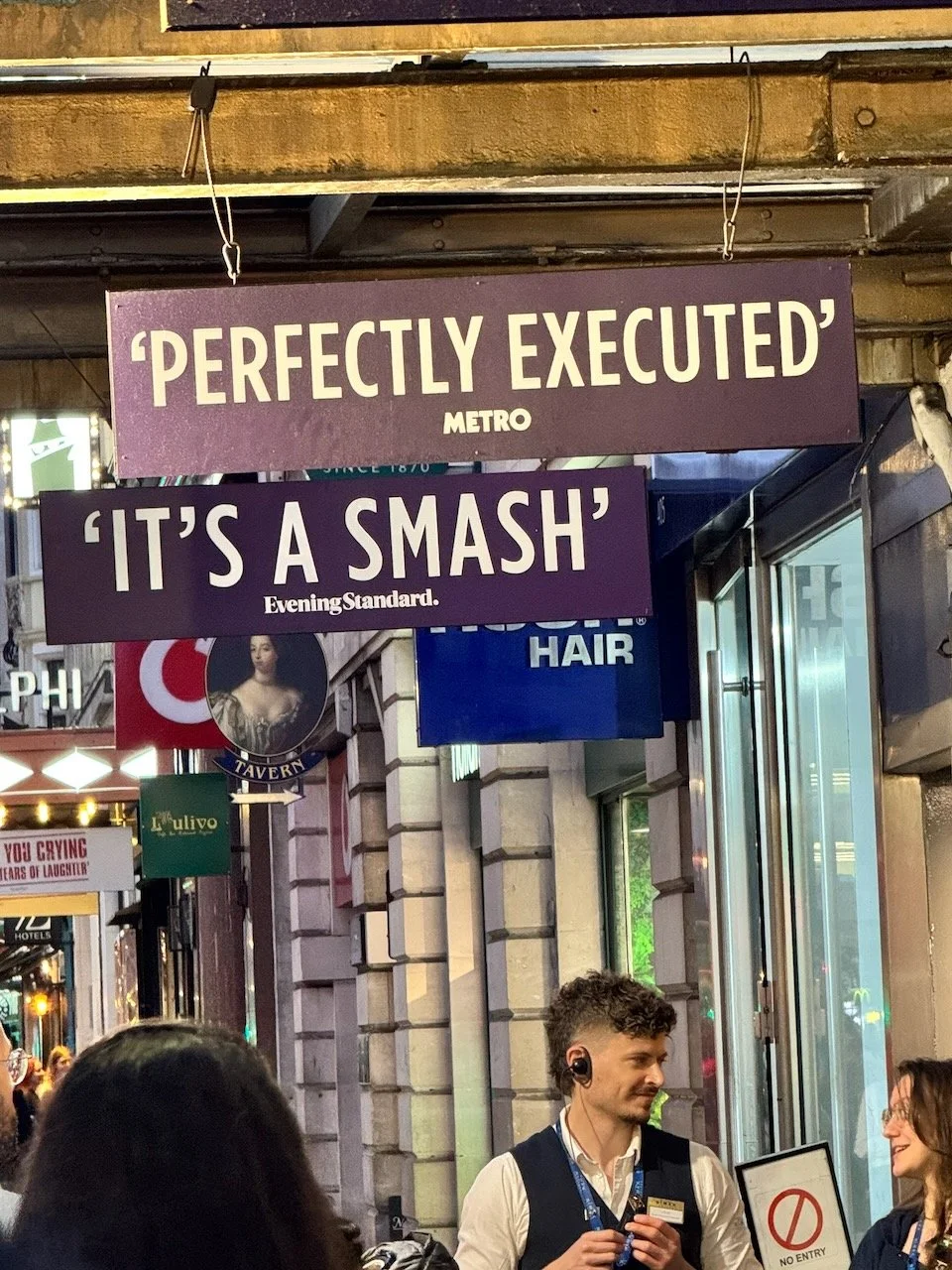
😂 😆 😝
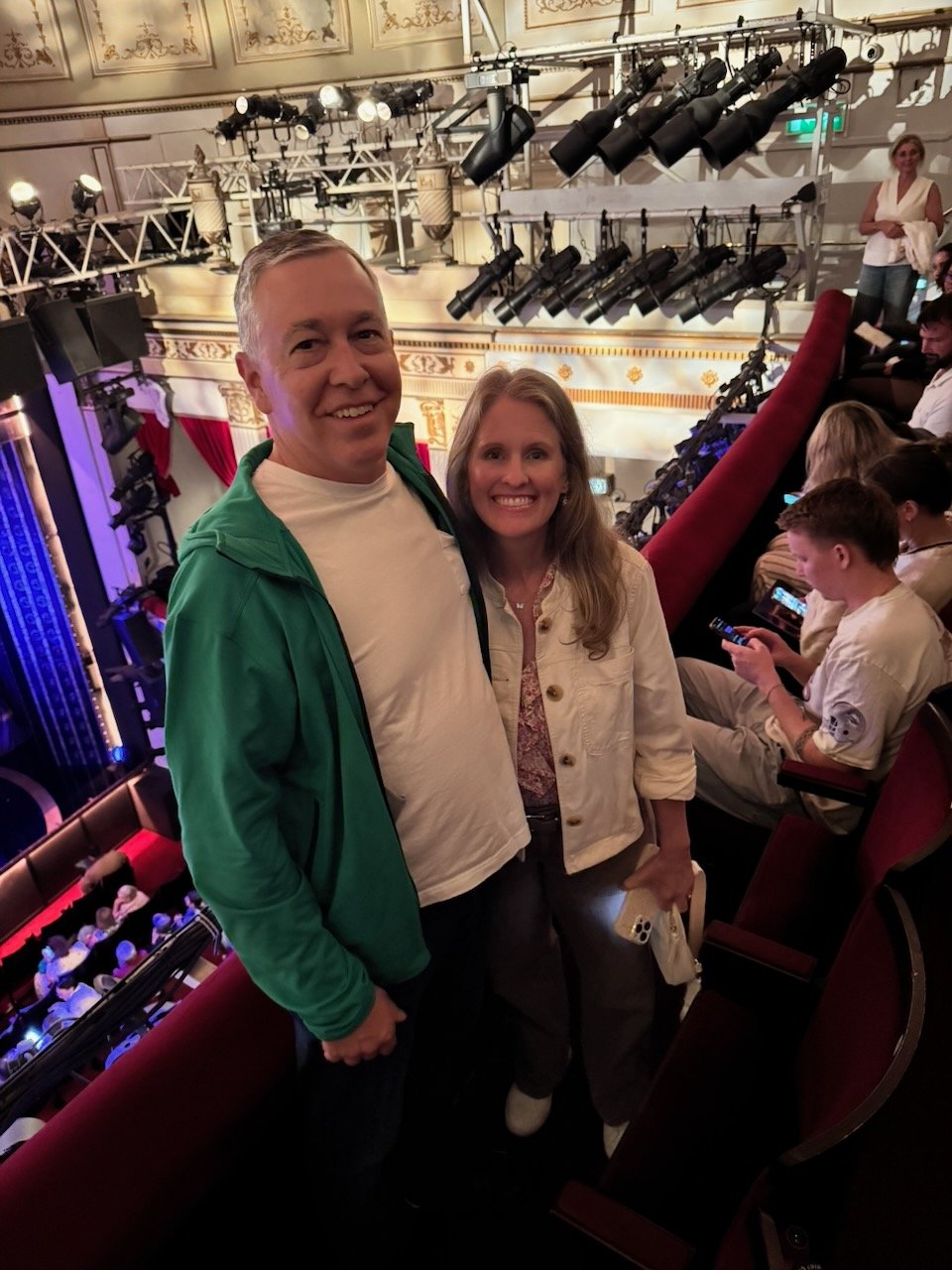
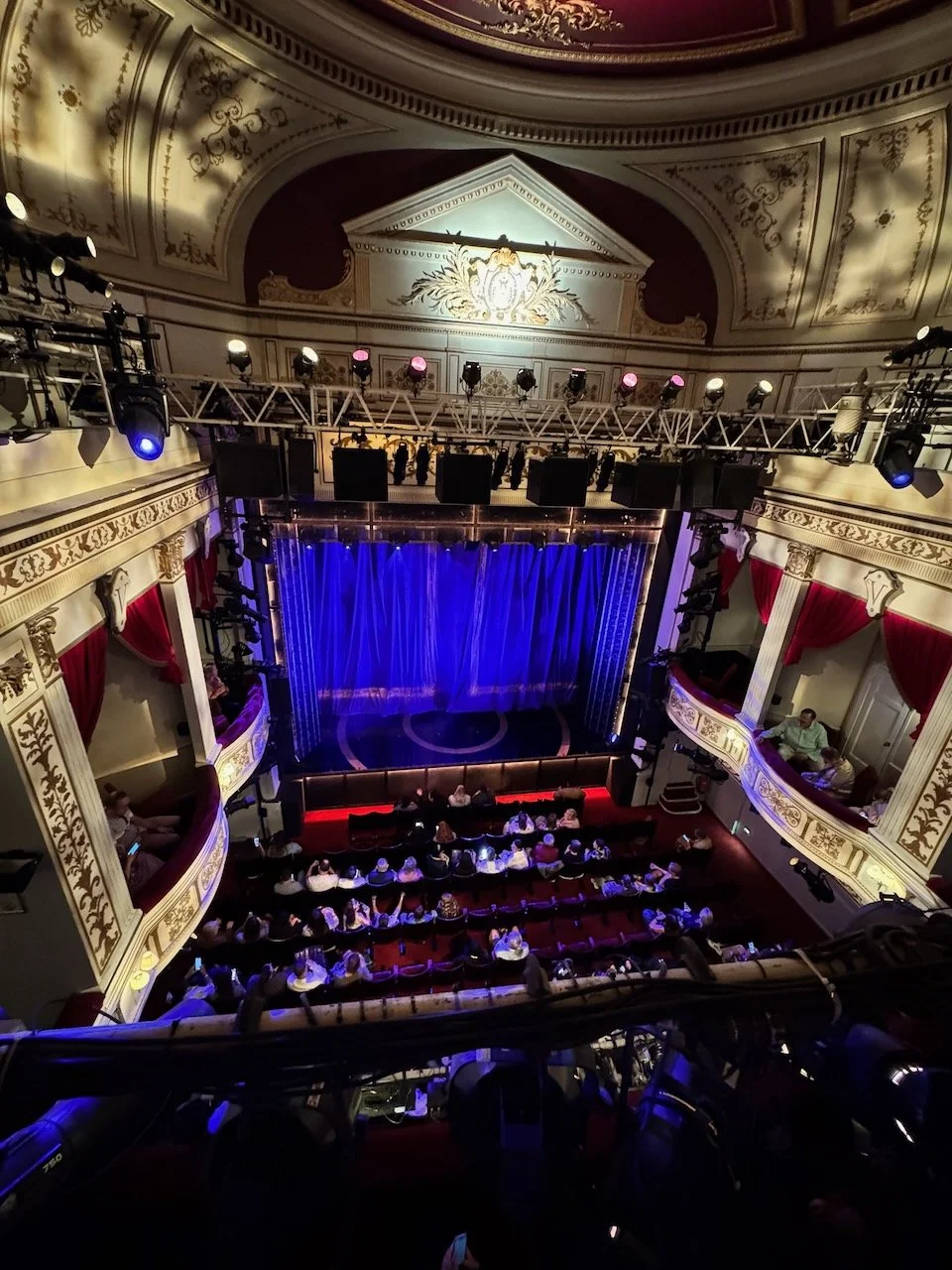
Our seats at the front of the Dress Circle.
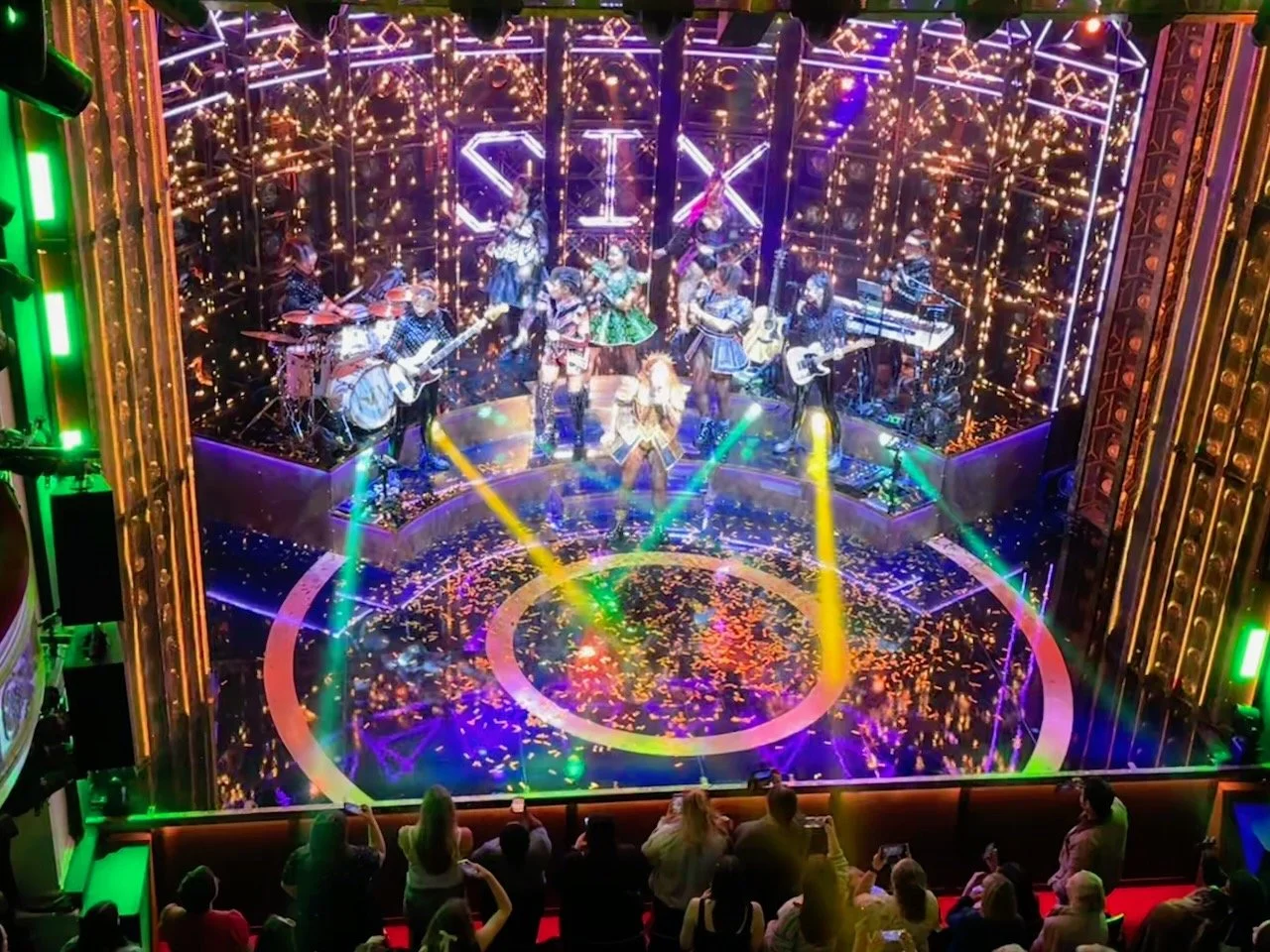
The musical was hilarious & so much fun!
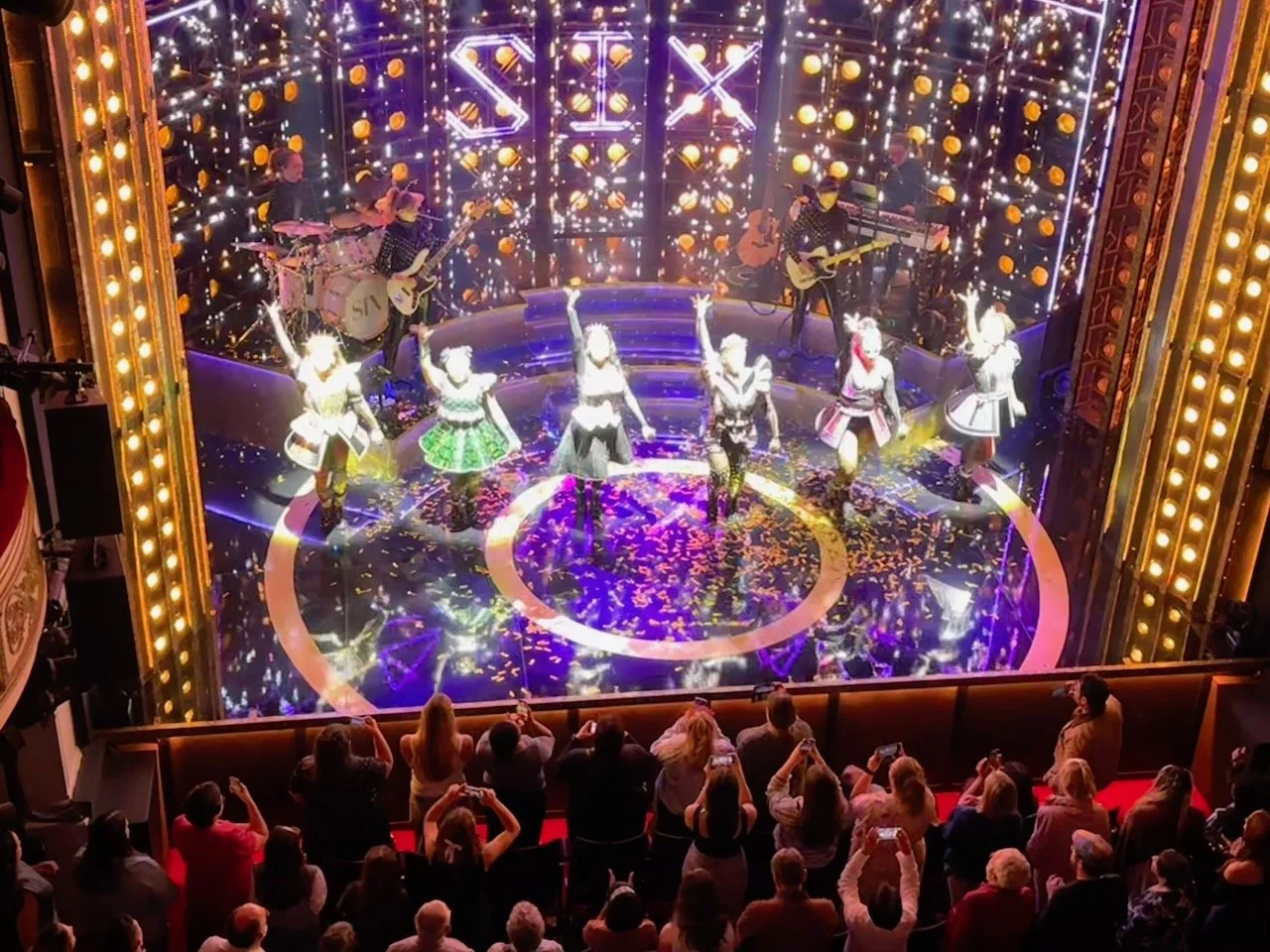
Such a fitting finale to our time in London!