Montecassino
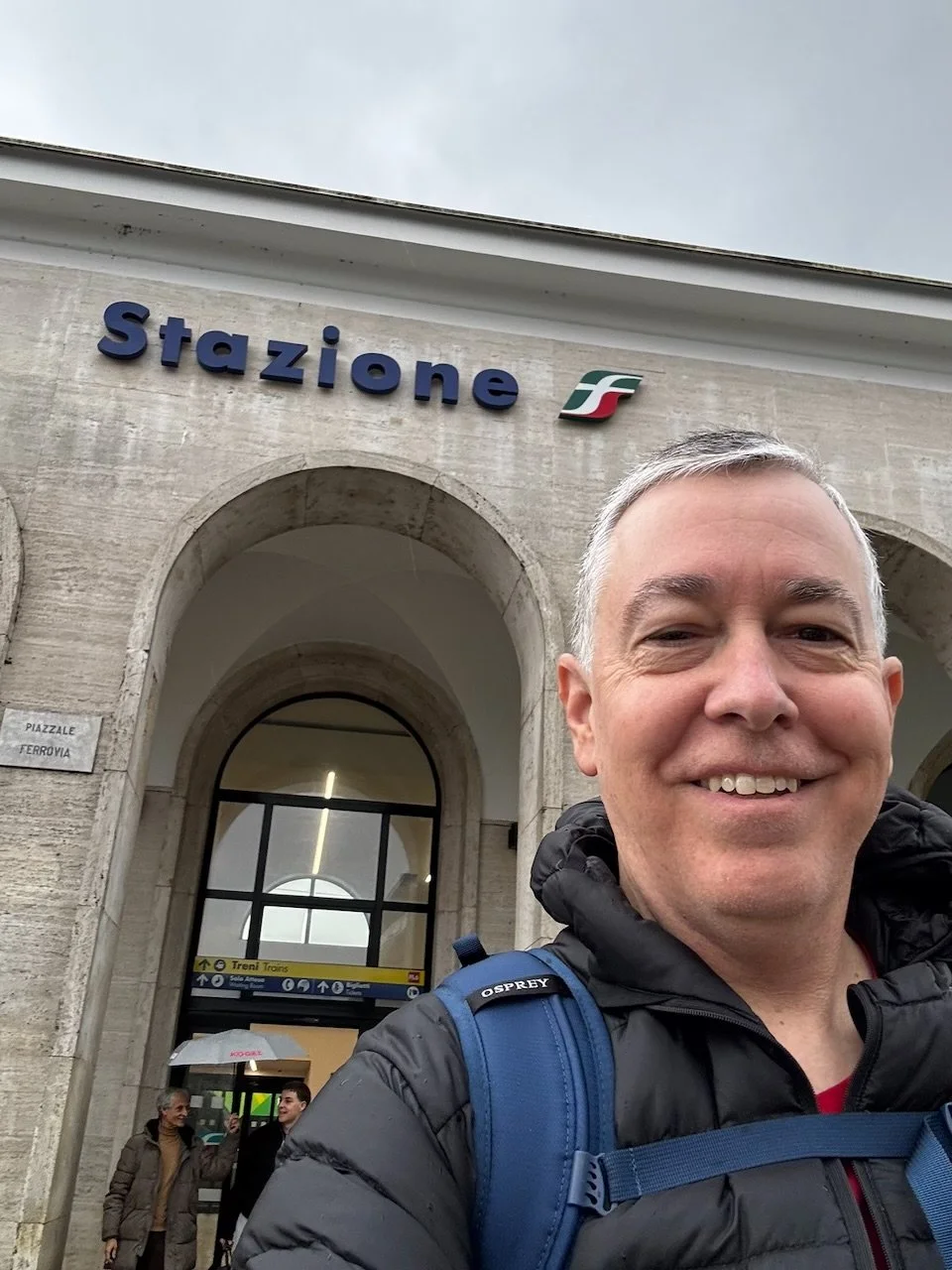
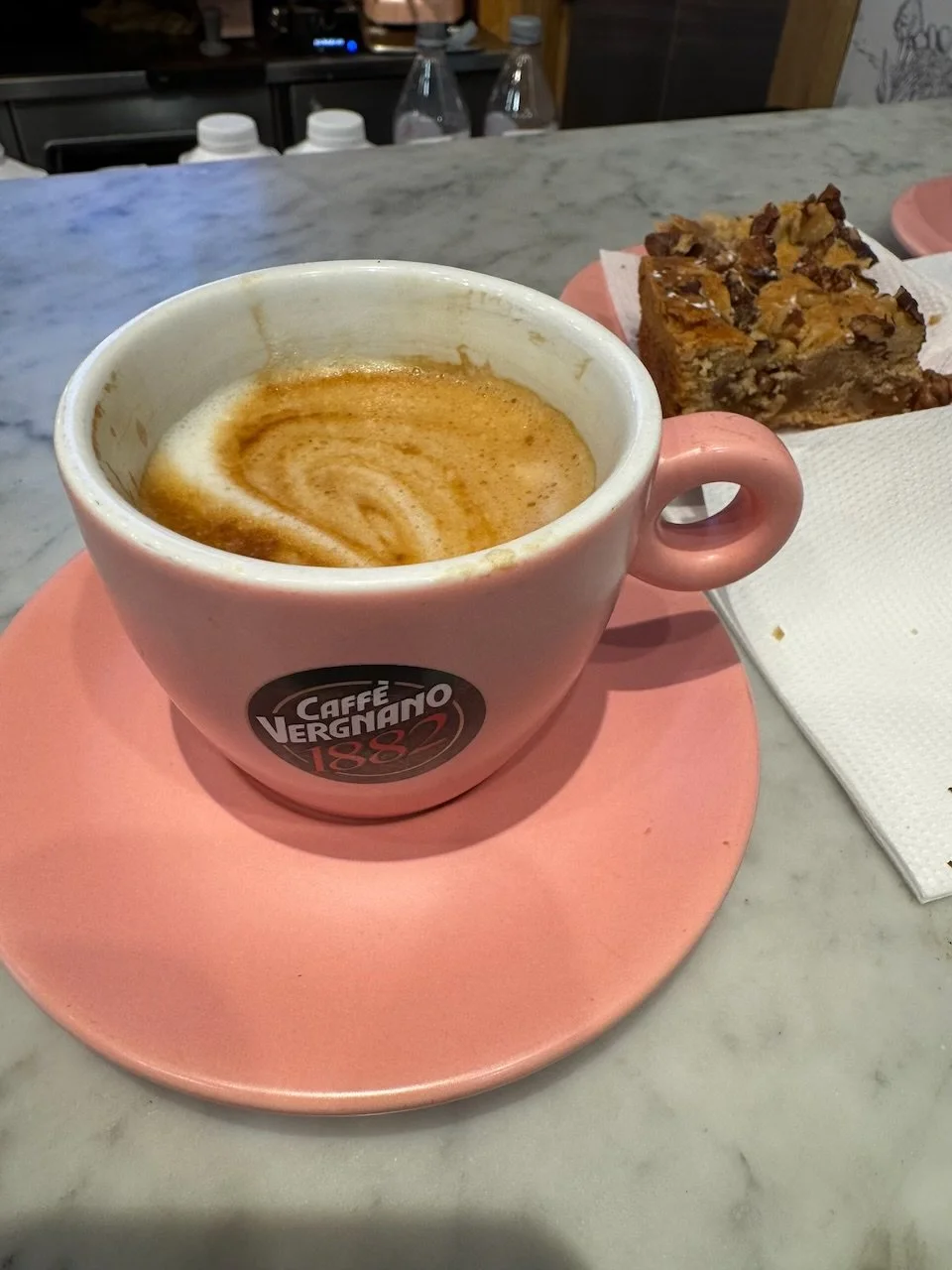
On Tuesday morning we checked out of our hotel and walked back to the Roma Termini train station. As would become our pattern, we began our day at the cappuccino bar, normale for Dave and soia for me.
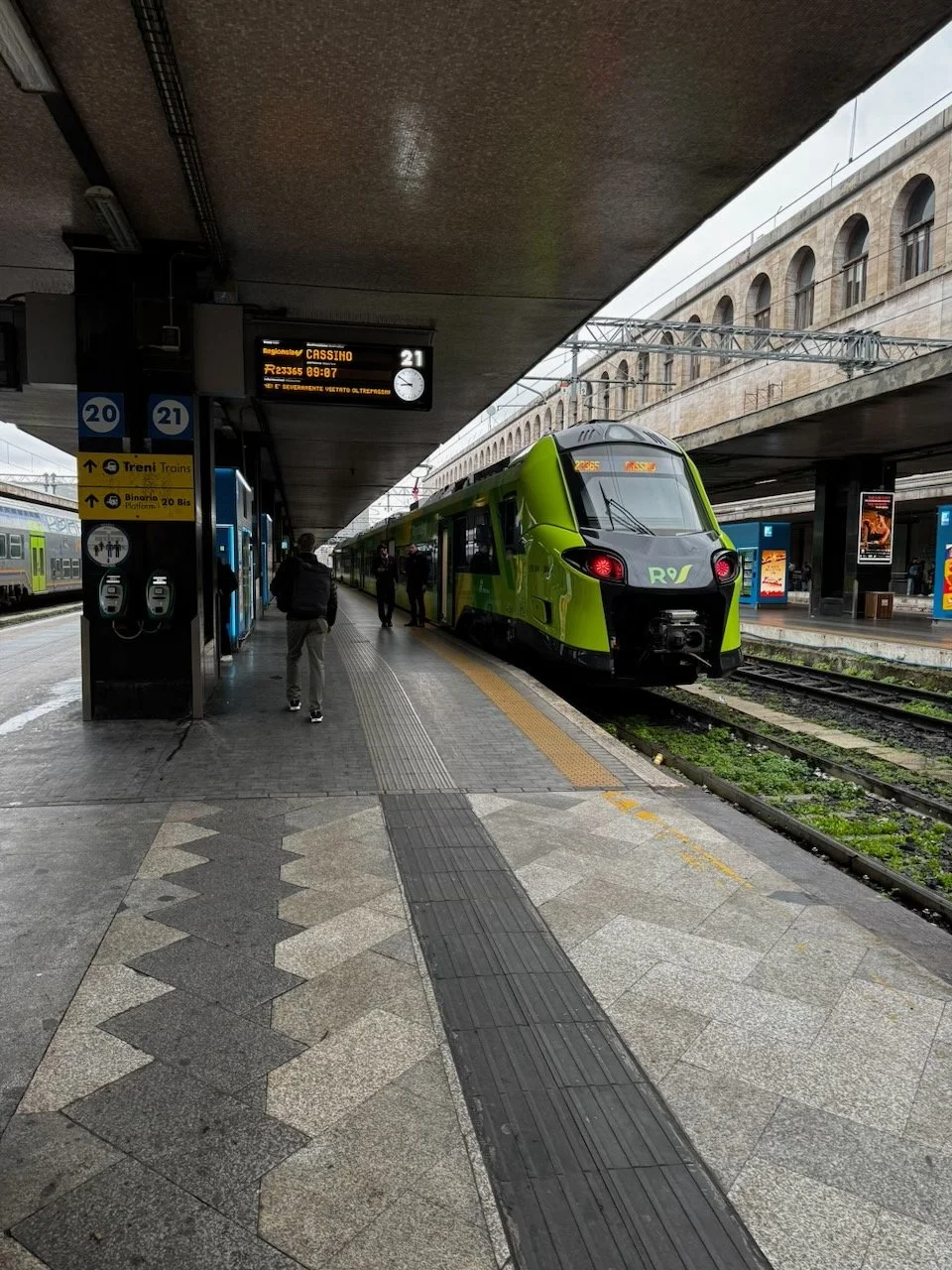
Dave walking toward our Trenitalia regional train to Cassino.
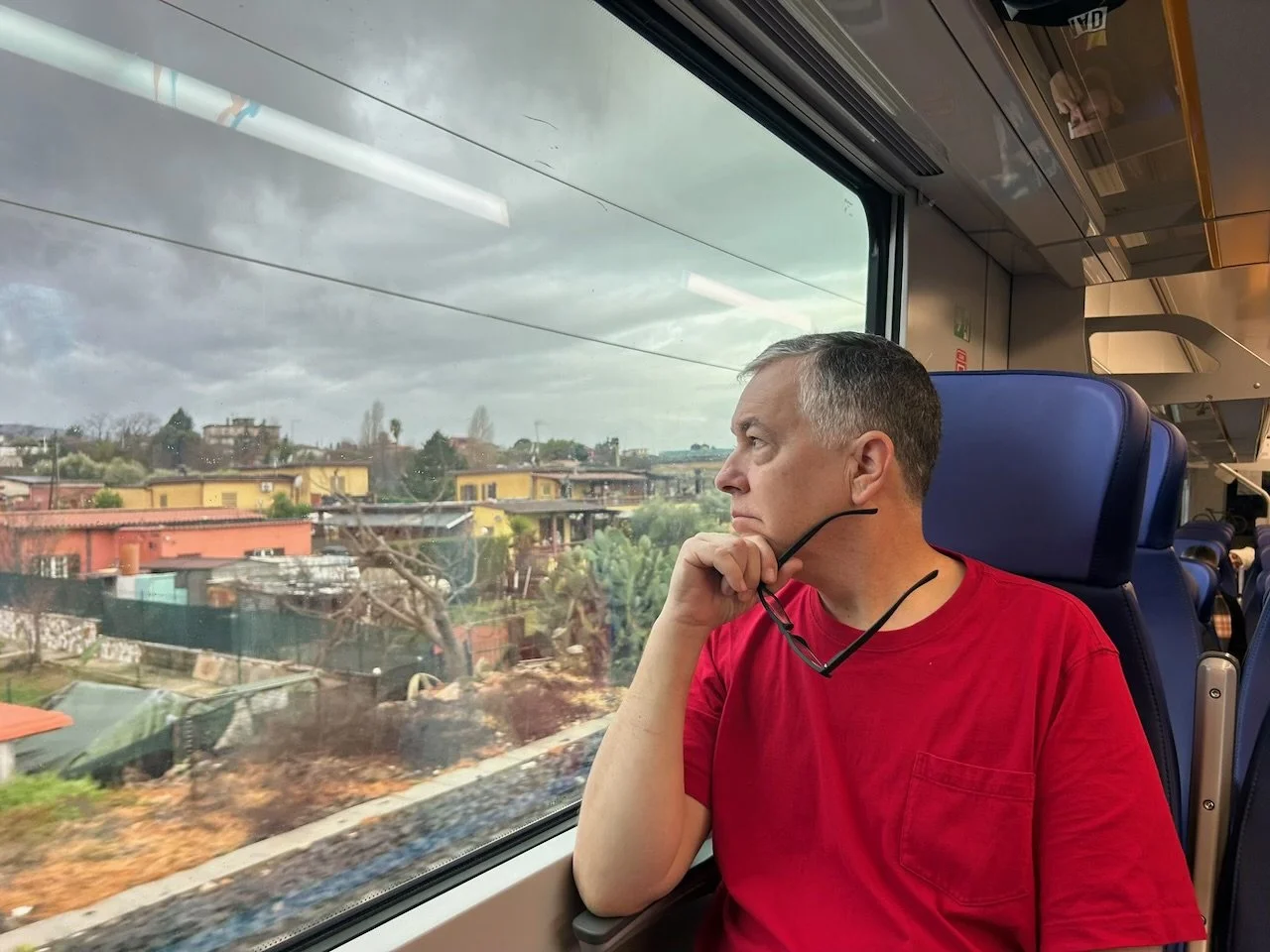
I contemplate the meaning of life as our train rolls south toward Cassino.
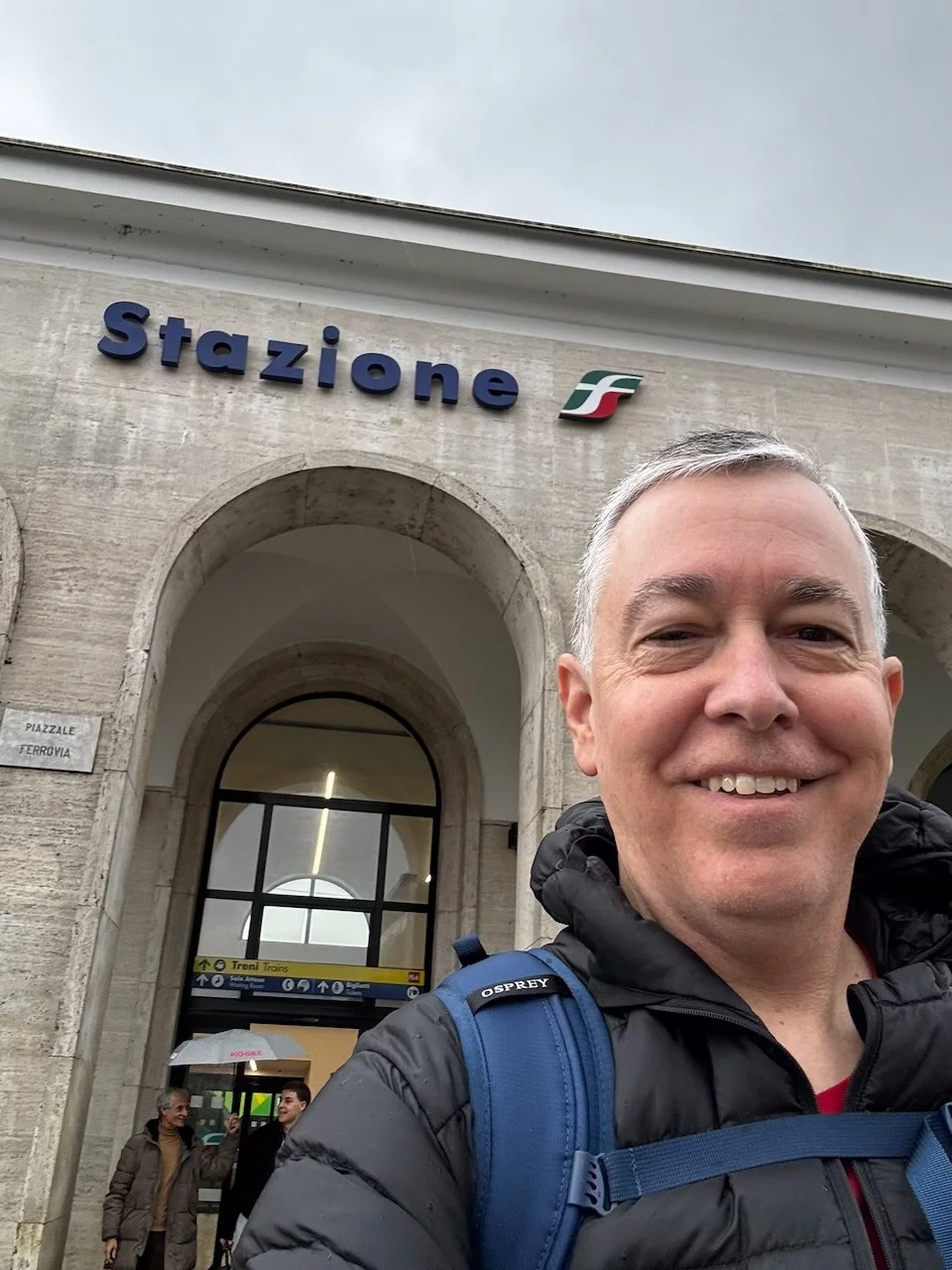
An hour and a half later, we arrived in Cassino, where we were met by our Airbnb host Carolina who most graciously offered to pick us up and drive us to her house.
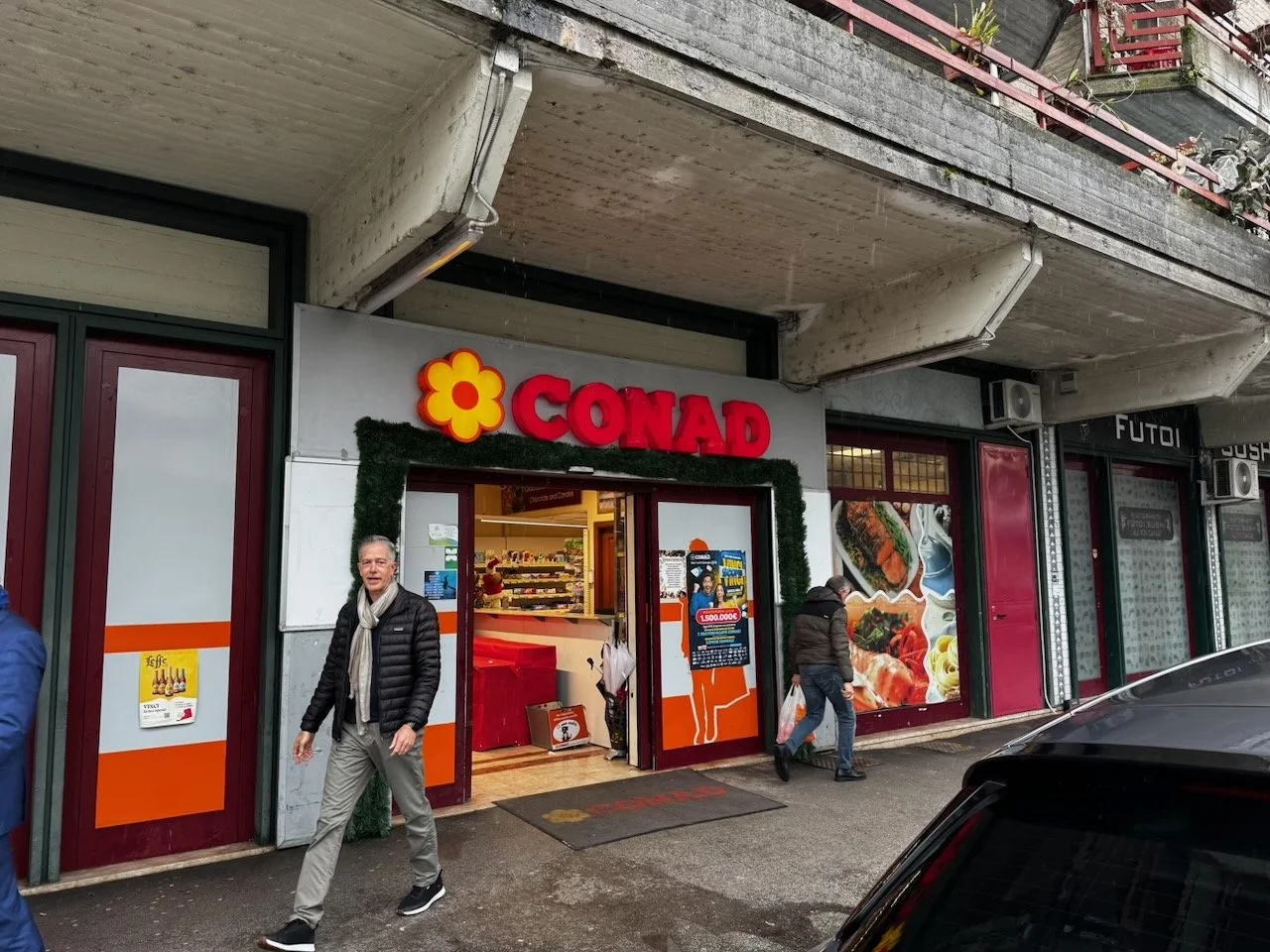
Dave had been studying Italian for some time and did an exceptional job communicating with Carolina. She inquired if we needed food for dinner and drove us to a local Conad, the largest supermarket chain in Italy. Dave made me carry out the groceries!
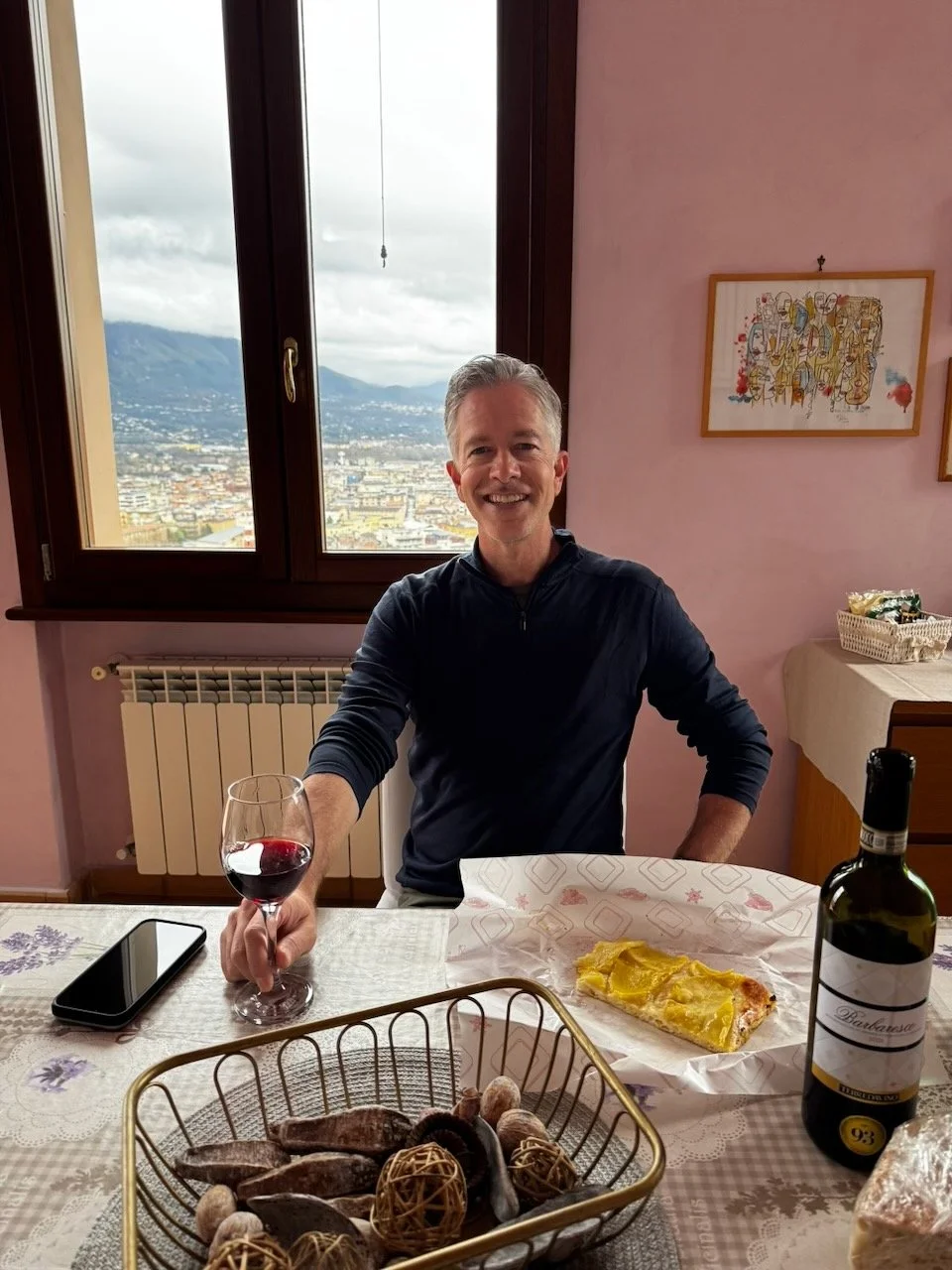
After the grocery store, Carolina started toward the house and then inquired about lunch. We had to admit we had failed to purchase food for lunch. She immediately changed course and drove us to Forno Lanni where we purchased slices of pizza (pictured). A Lanni oven (forno Lanni) is a traditional wood-fired brick oven for pizza and bread.
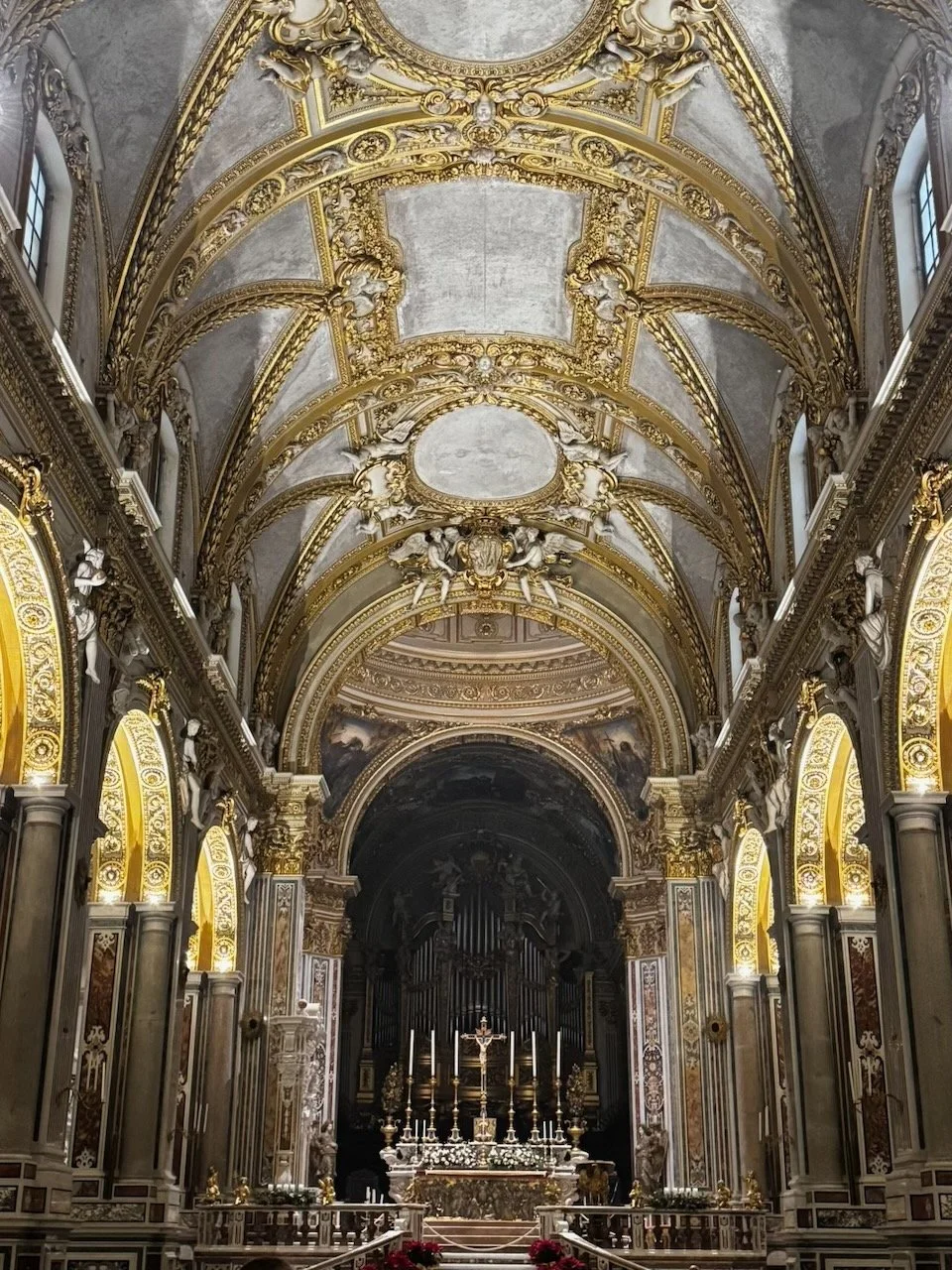
As if she had not been helpful enough, Carolina told us to eat our lunch and then she would drive us up the zig-zag road to the Abbey of Montecassino, high on the hilltop above her house.
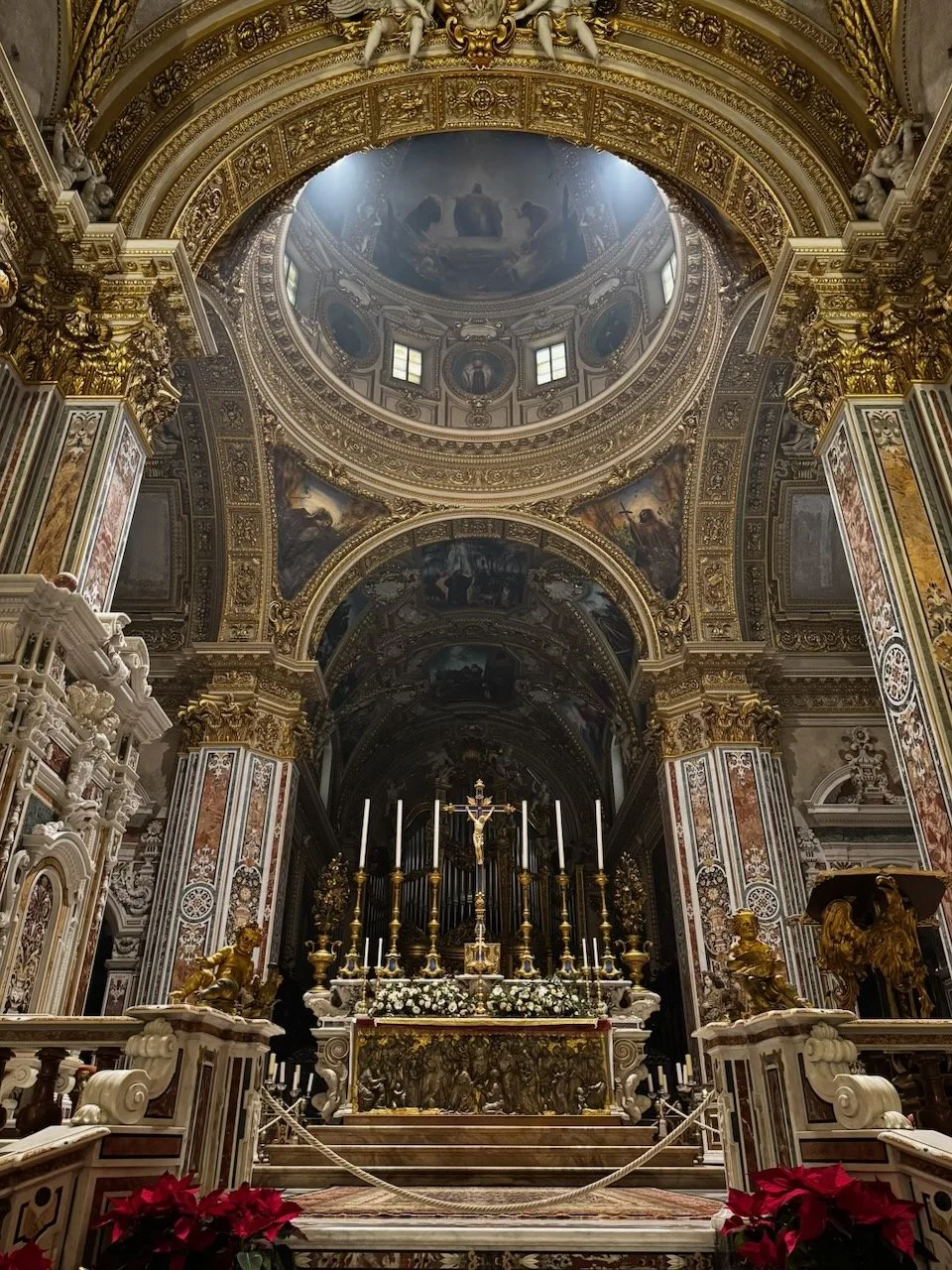
Located on the site of the ancient Roman town of Casinum, the abbey is the first house of the Benedictine Order, having been established by Benedict of Nursia himself around 529 CE. It was for the community of Monte Cassino that the Rule of Saint Benedict was composed. Under this alter are the sacred relics of its founder St Benedict and his sister St Scholastica.
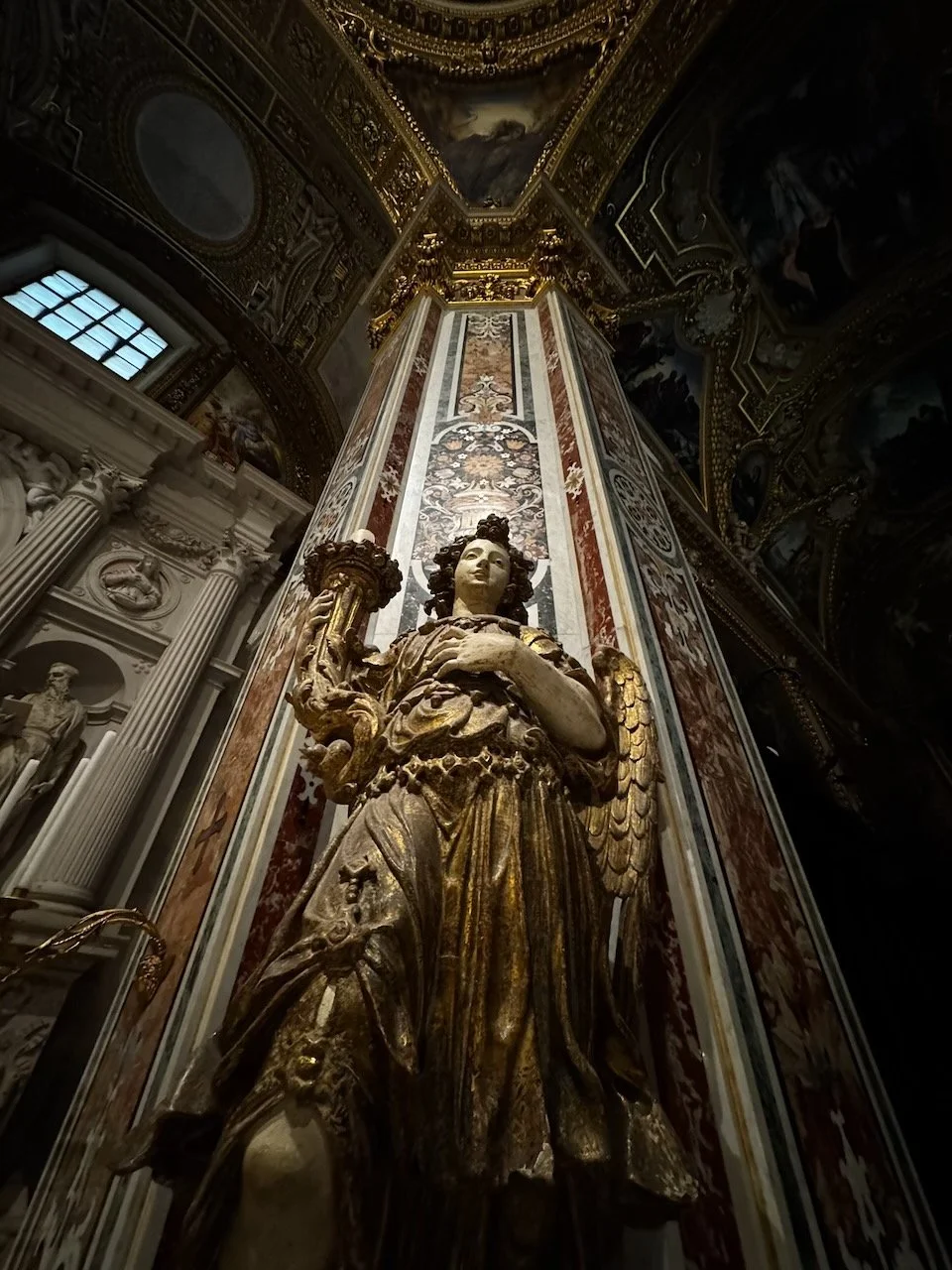
The monastery was sacked, abandoned, and then rebuilt in 570 and 883, before entering its golden age in the 11th and 12th centuries. The buildings were later destroyed by an earthquake in 1349, rebuilt in 1454, and sacked by the French in 1799.
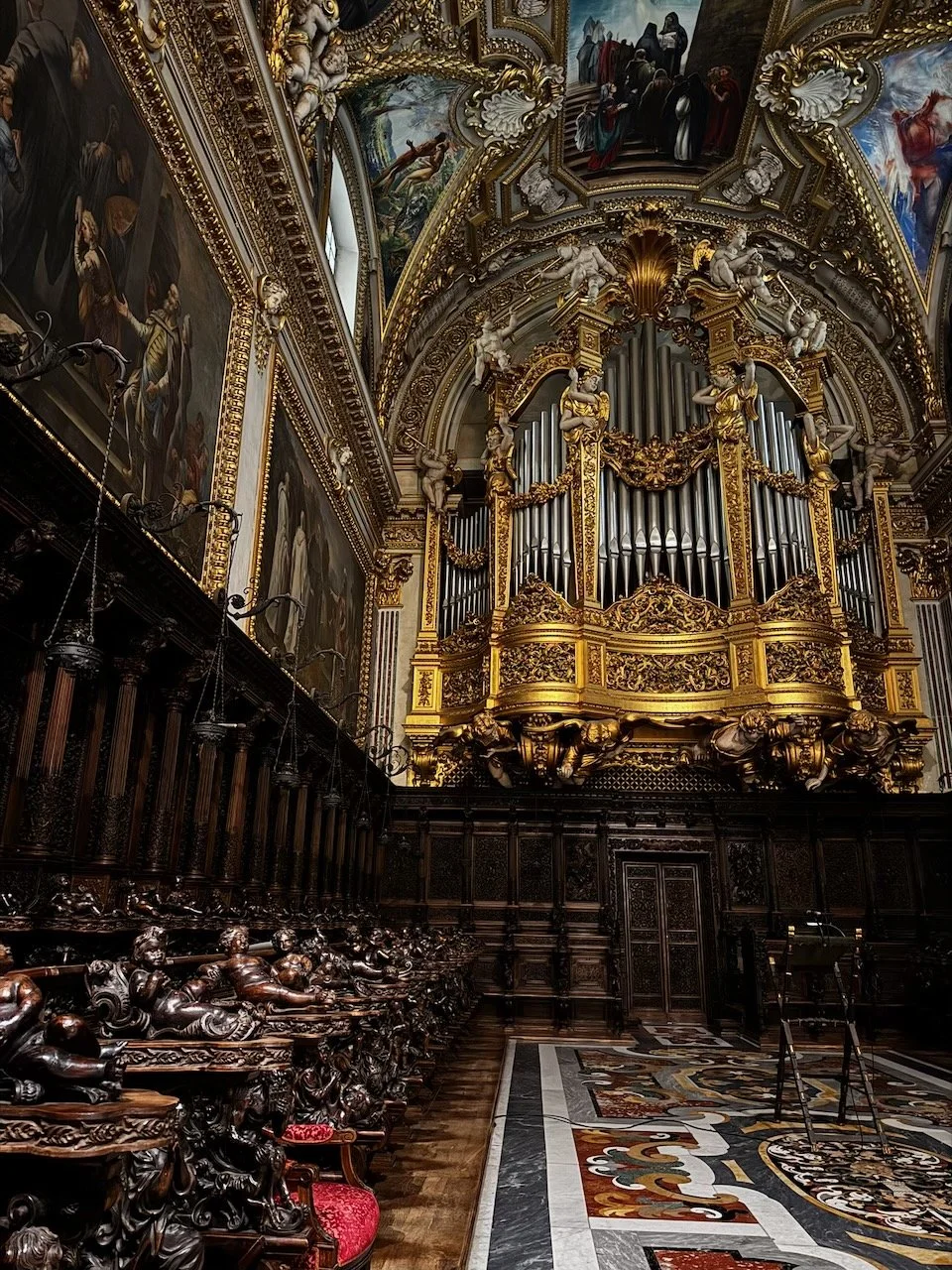
On February 15, 1944, it was nearly destroyed in a series of heavy, American-led air raids during the Battle of Monte Cassino, under the mistaken believe that Nazis were occupying the monastery and its high ground.
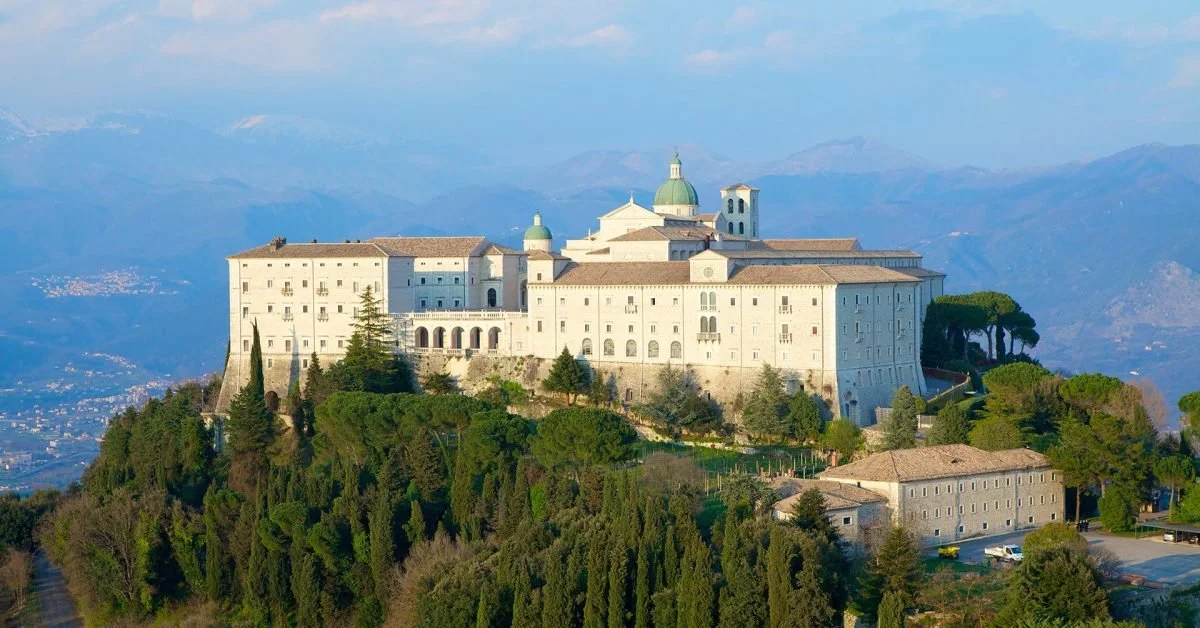
What we see today was largely rebuilt in the 1950s and 60s.
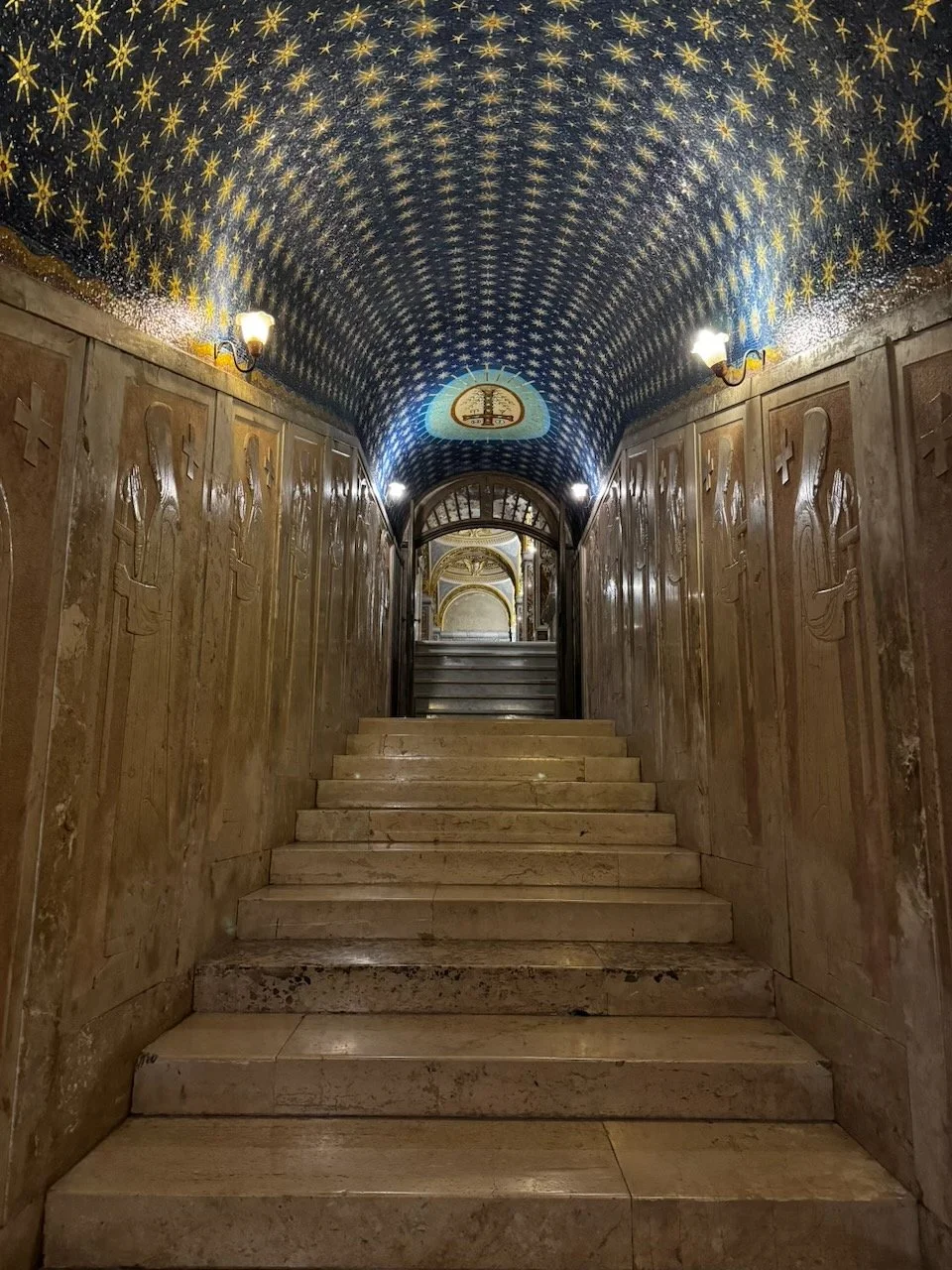
Lovely detailed mosaic tiles line the ceiling as we depart the crypt.
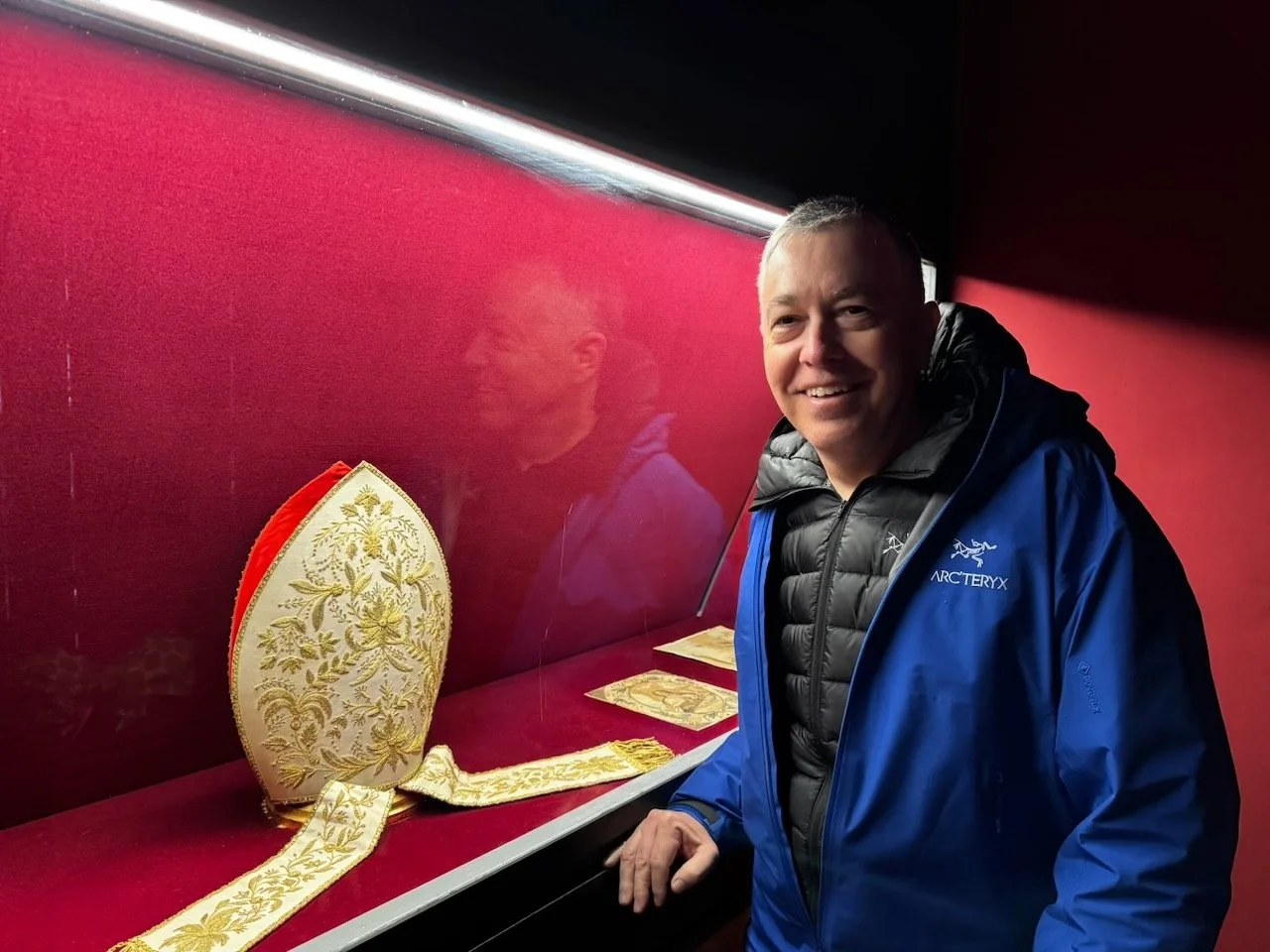
“Mawage. Mawage is what brings us togethah today. Mawage, that bwessed awwangement, that dweam within a dweam!”
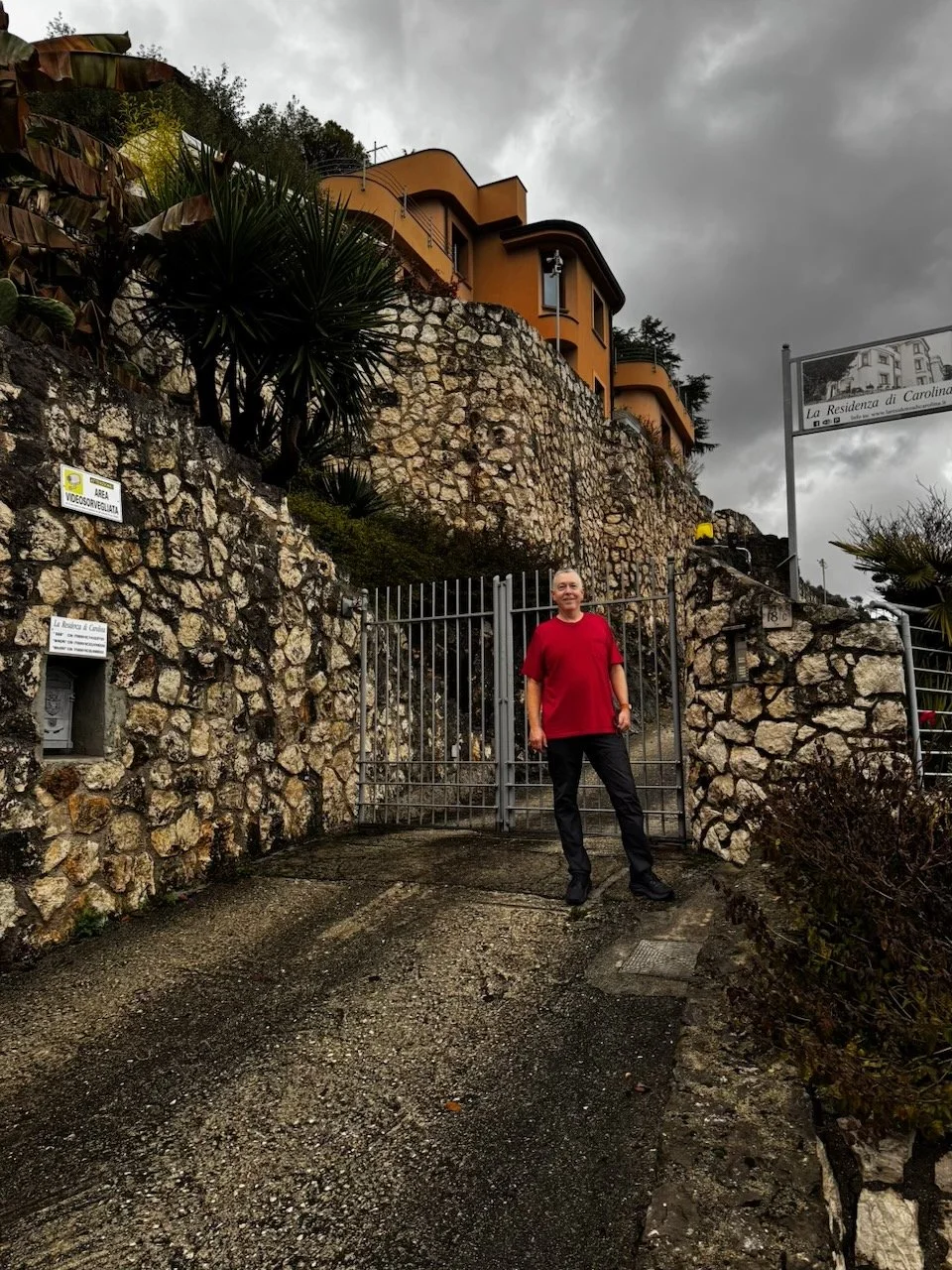
Desperate not put out Carolina further, we walked from the abbey back to her Airbnb. Our path occasionally followed the Cammino di Sa Benedetto (St. Benedict’s Way), a long-distance pilgrimage route in central Italy. Despite the long walk, it was overall a light day with only 14,500 steps and 6.8 miles recorded.
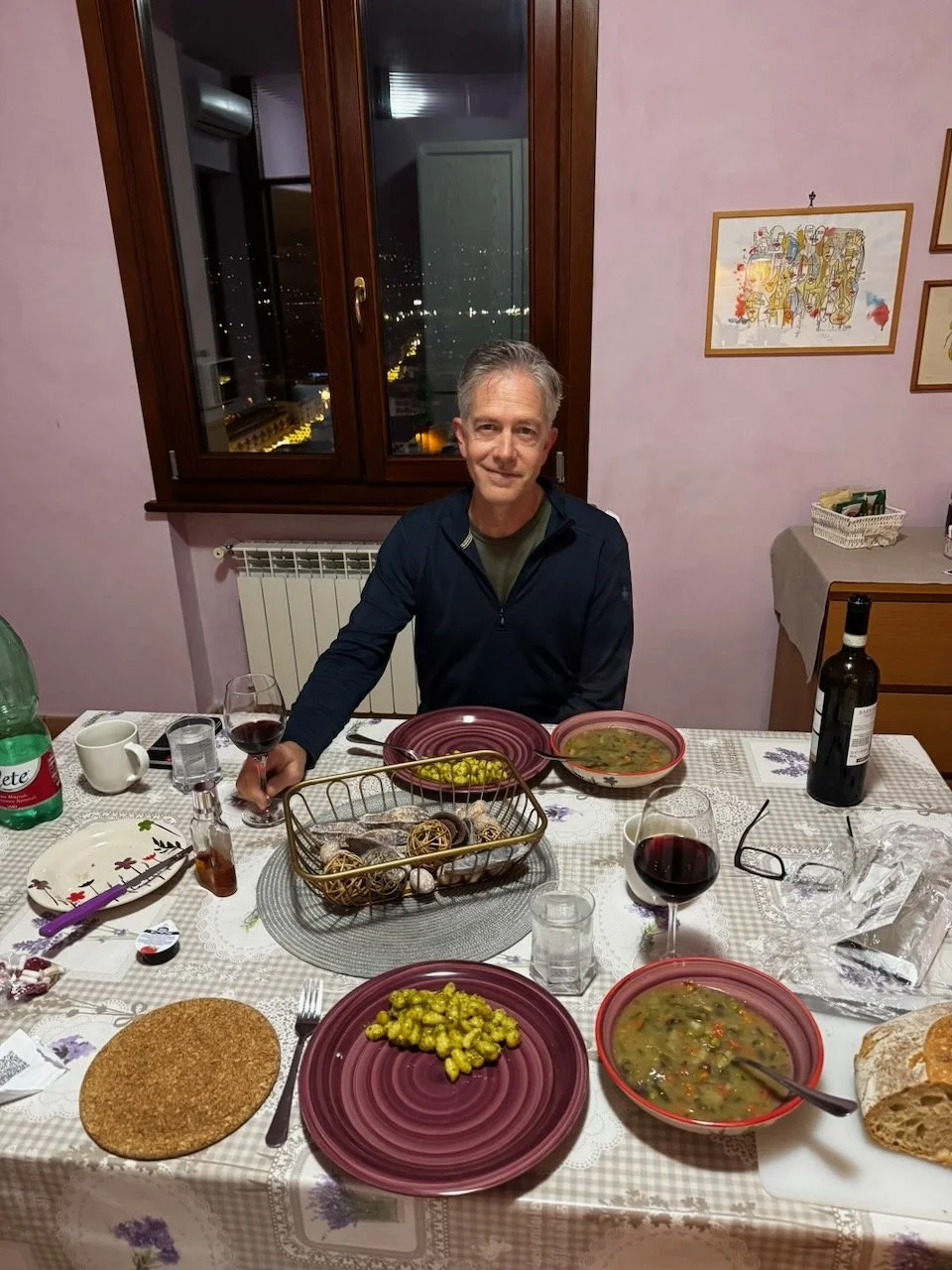
After a solid first day, here we are back in our kitchen with gnocchi in pesto, minestrone soup, fresh bread, and a bottle of red.
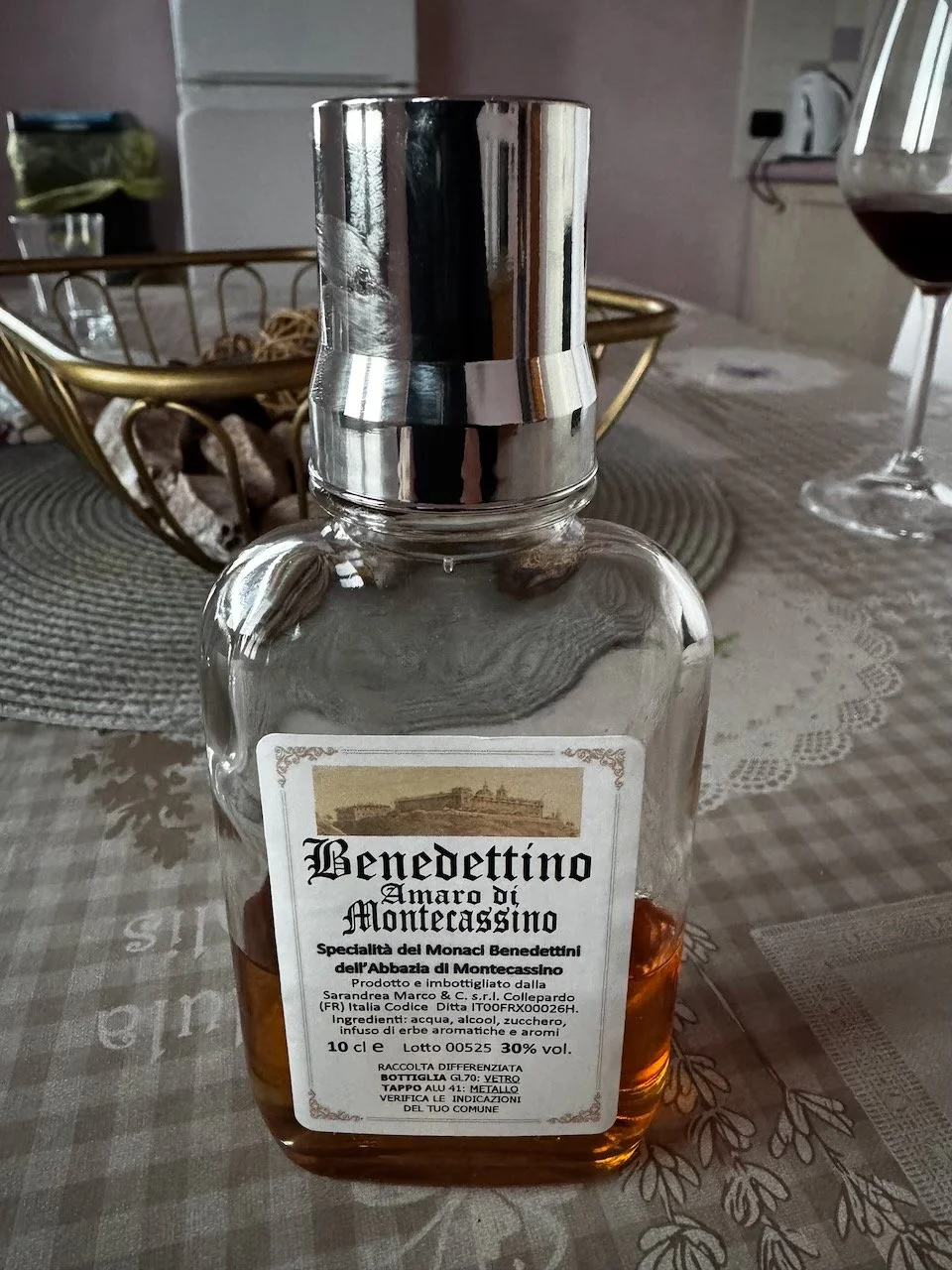
For dessert, Dave picked up this little bottle of Amaro—a popular Italian liqueur—from the Abbey gift shop (those saucy monks). Amaro is Italian for “bitter” (Amaretto means "a little bitter") and refers to the sweet but subtly bitter, nutty flavor from apricot kernels or almonds steeped in alcohol.